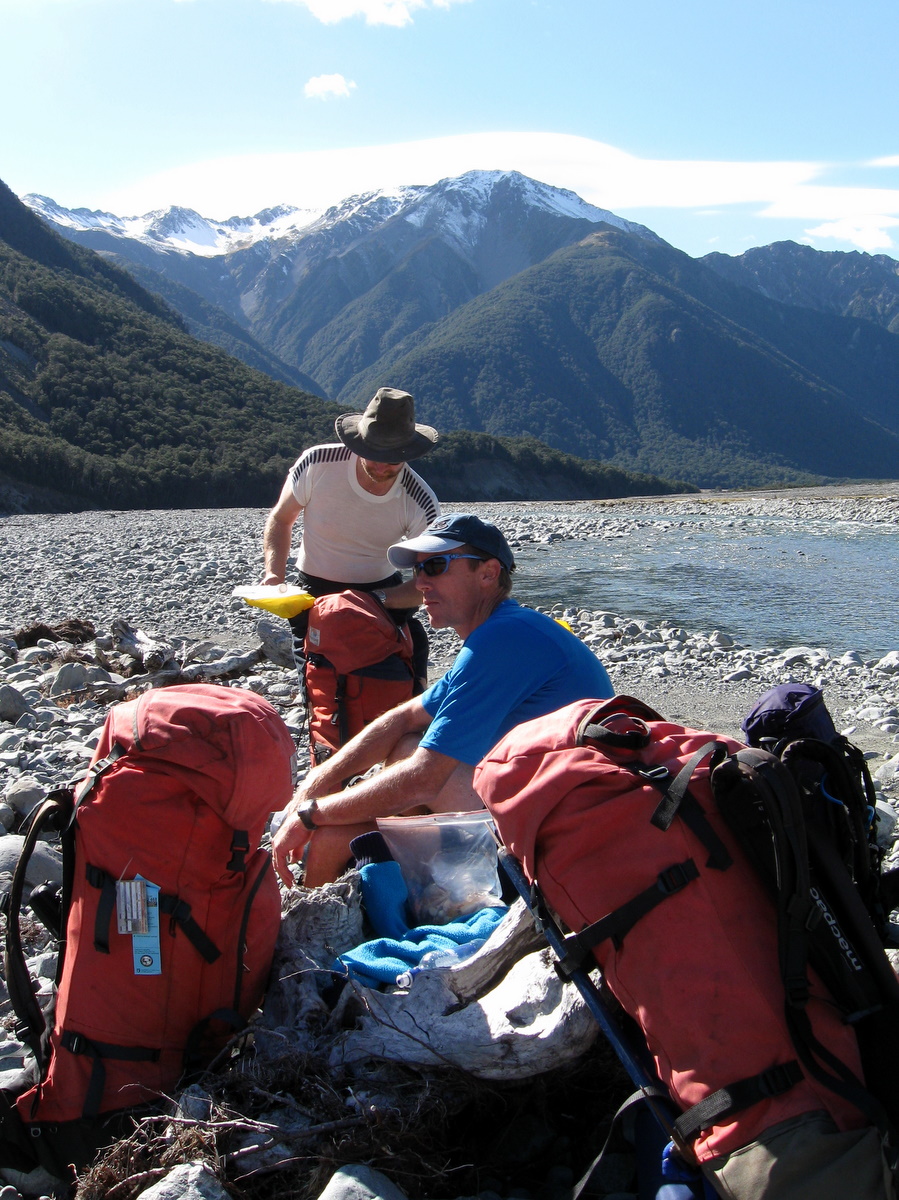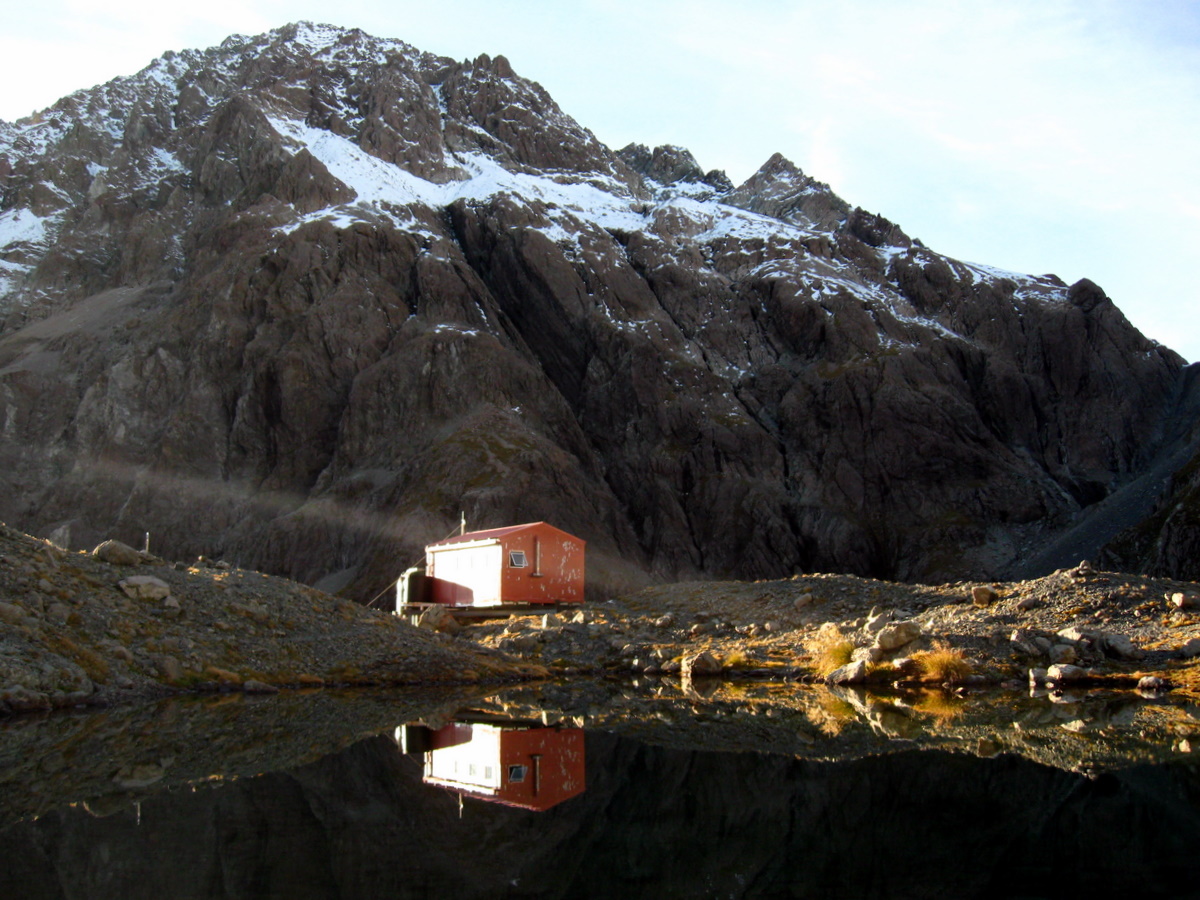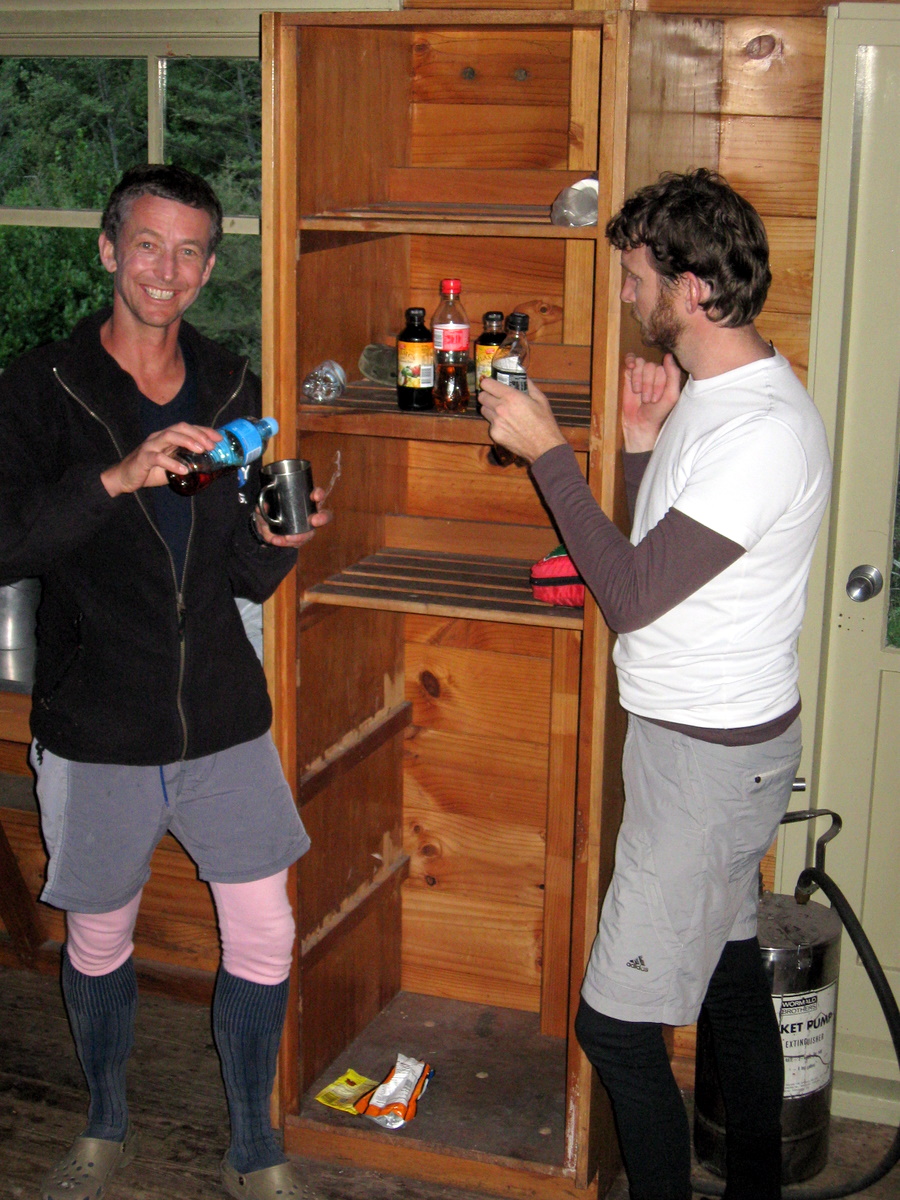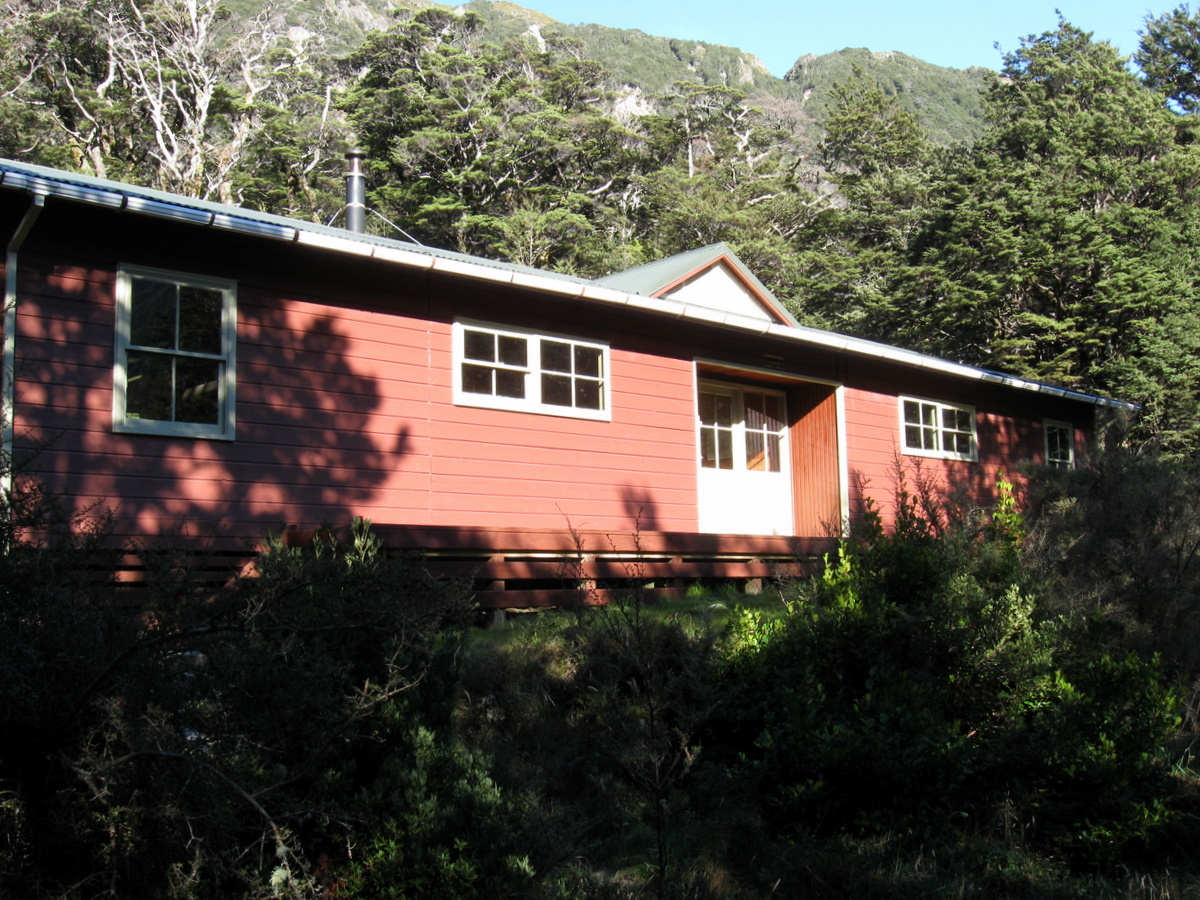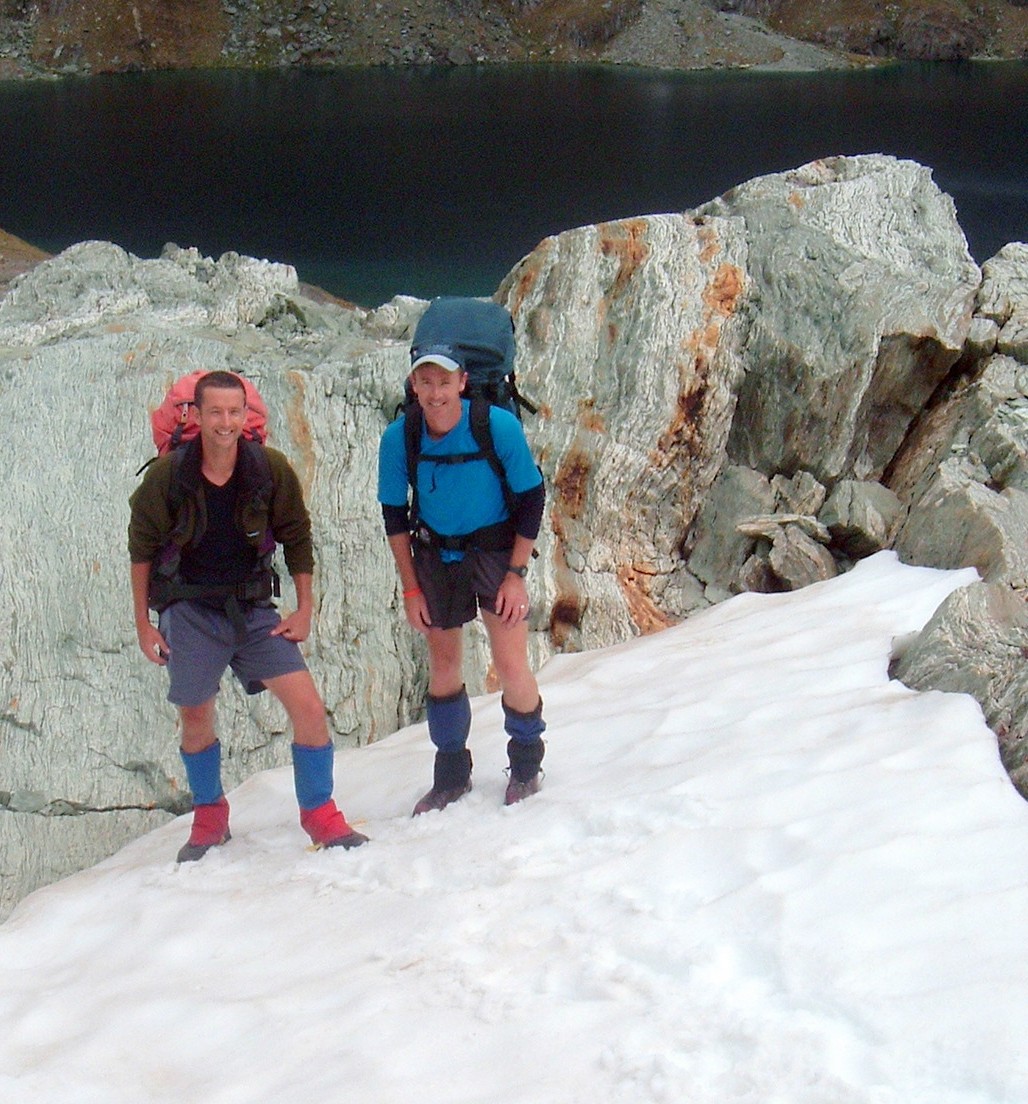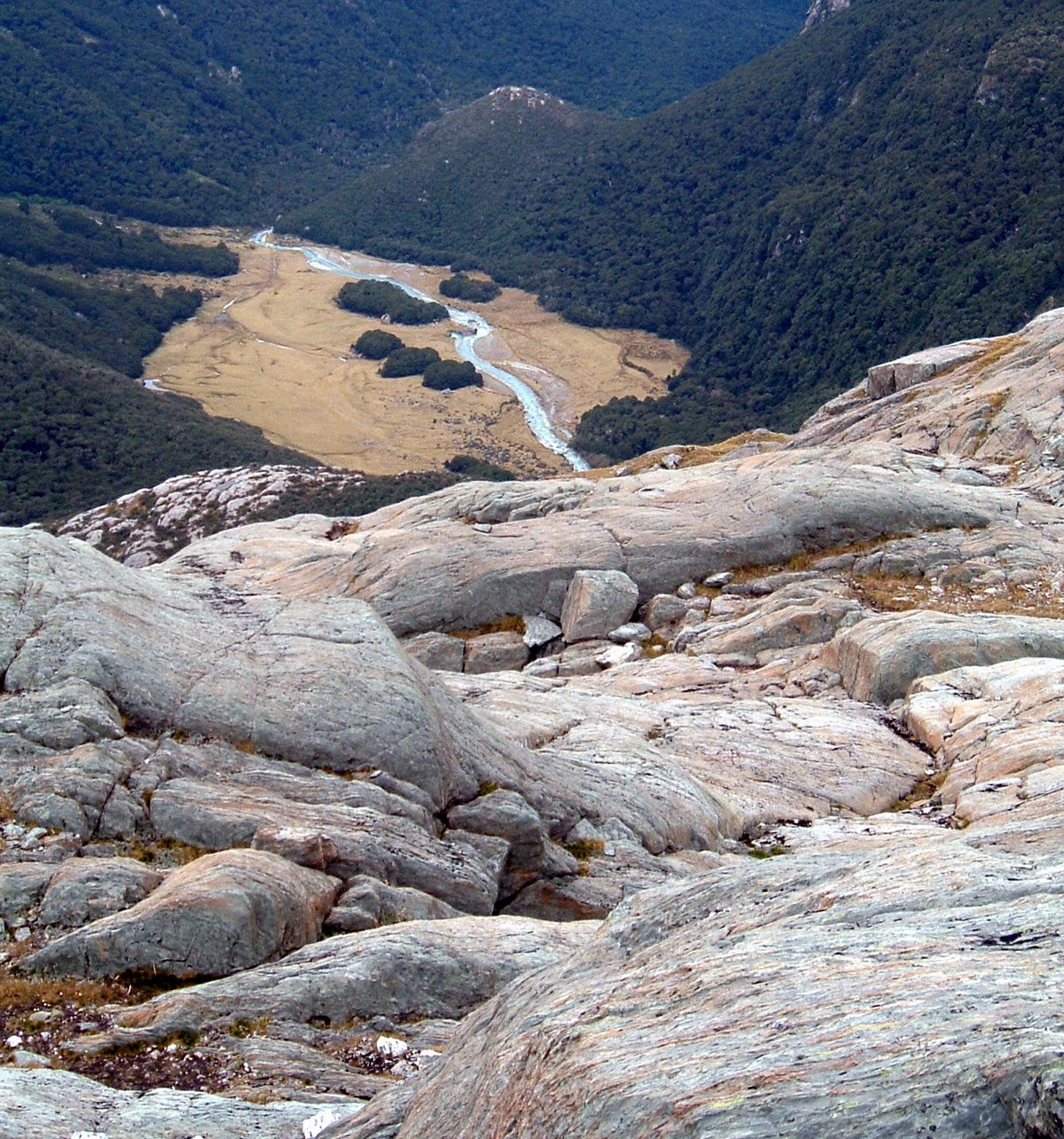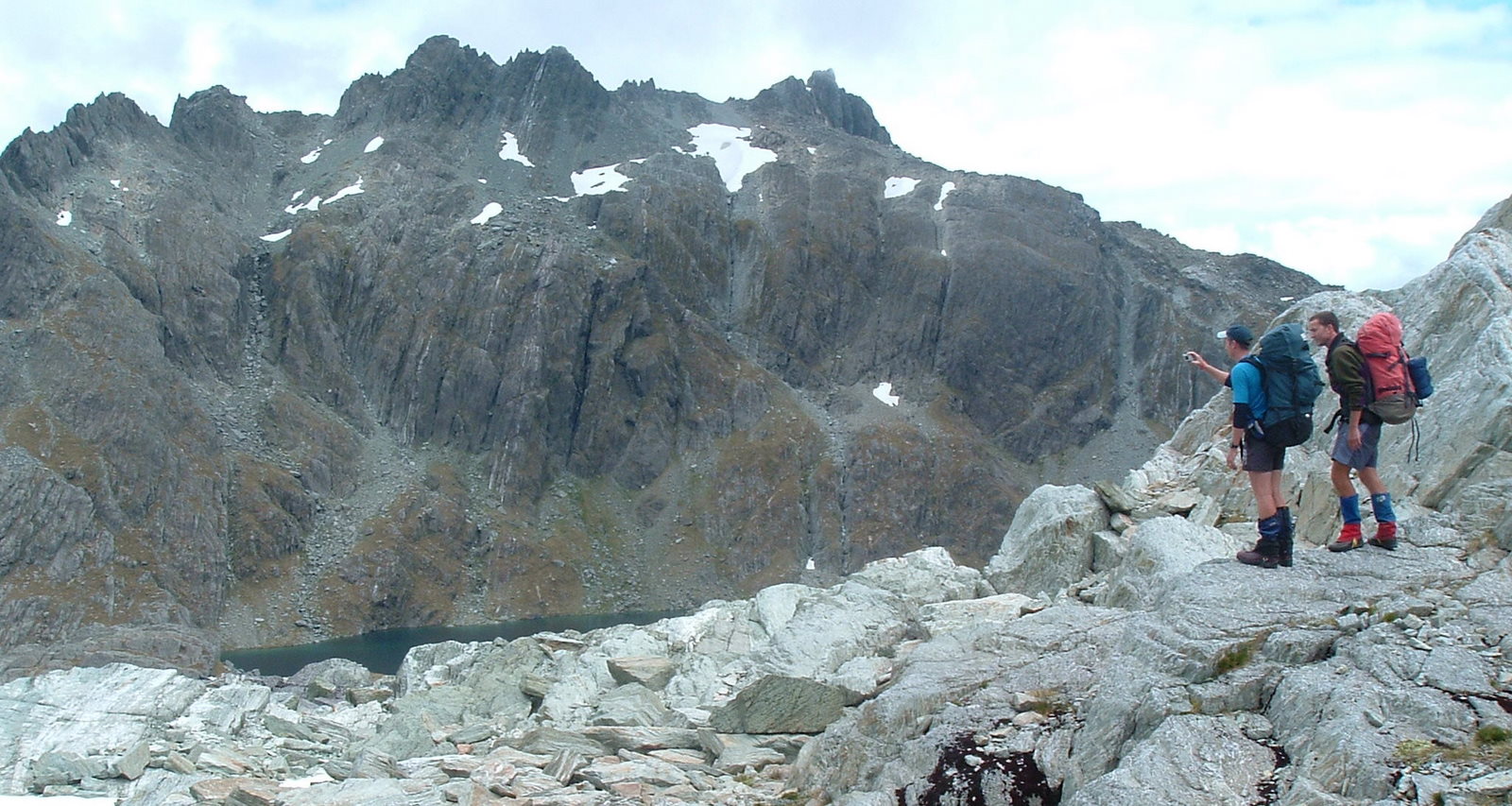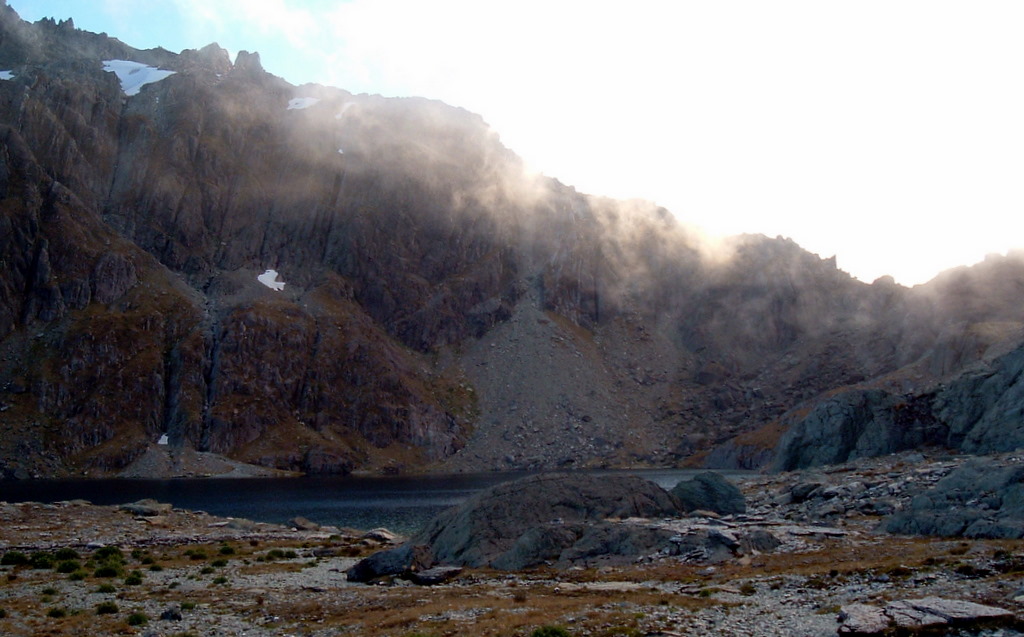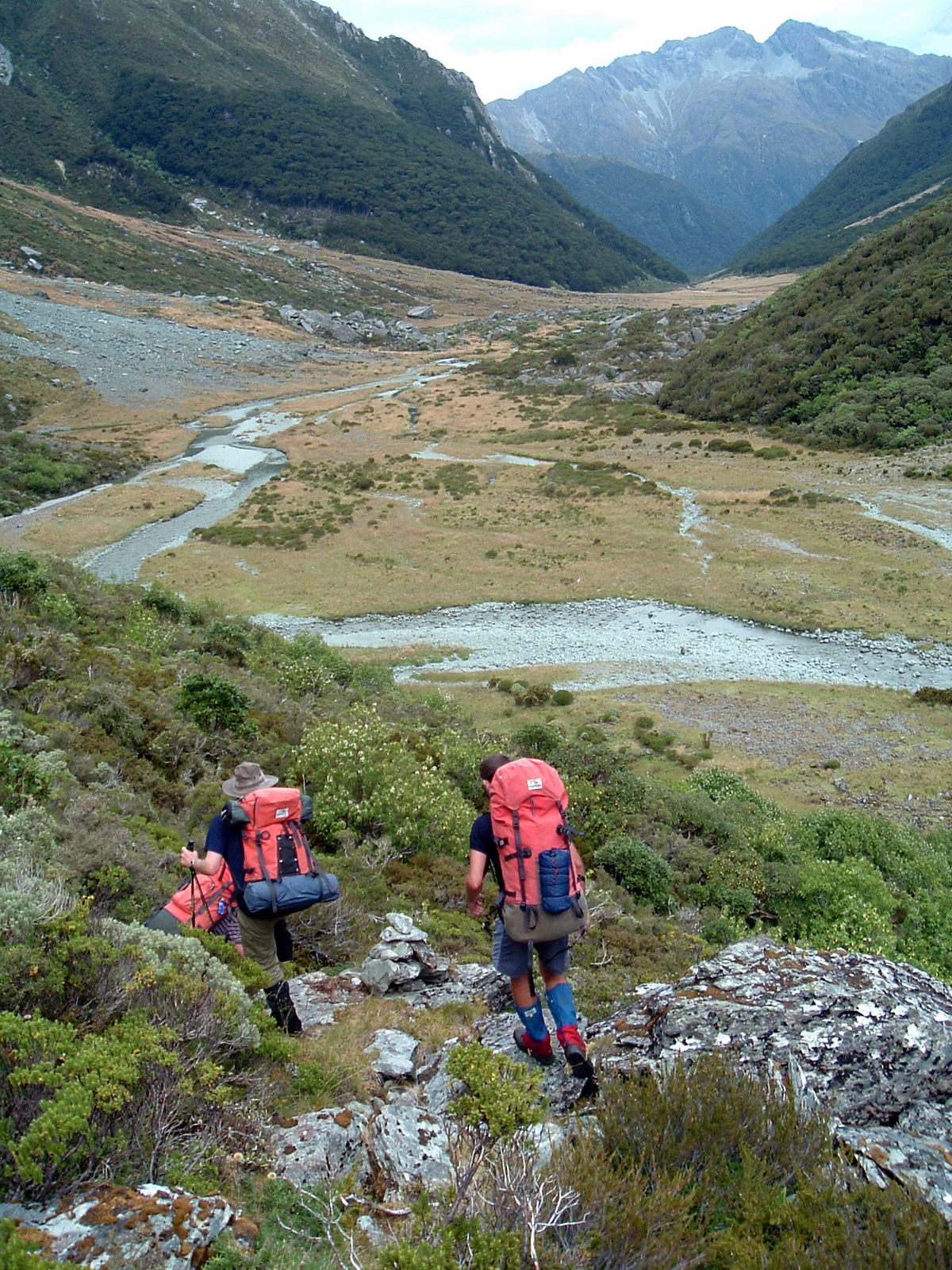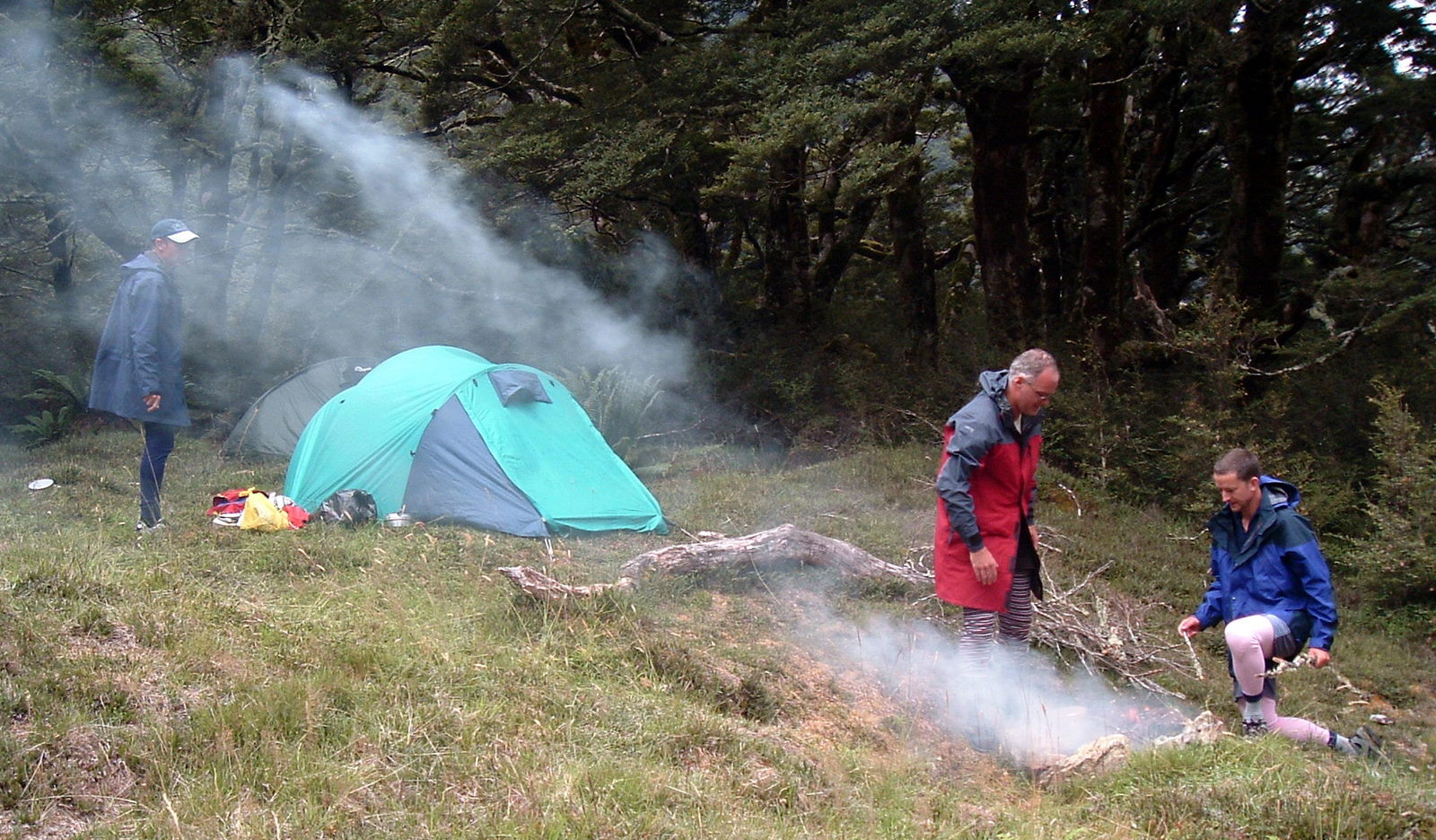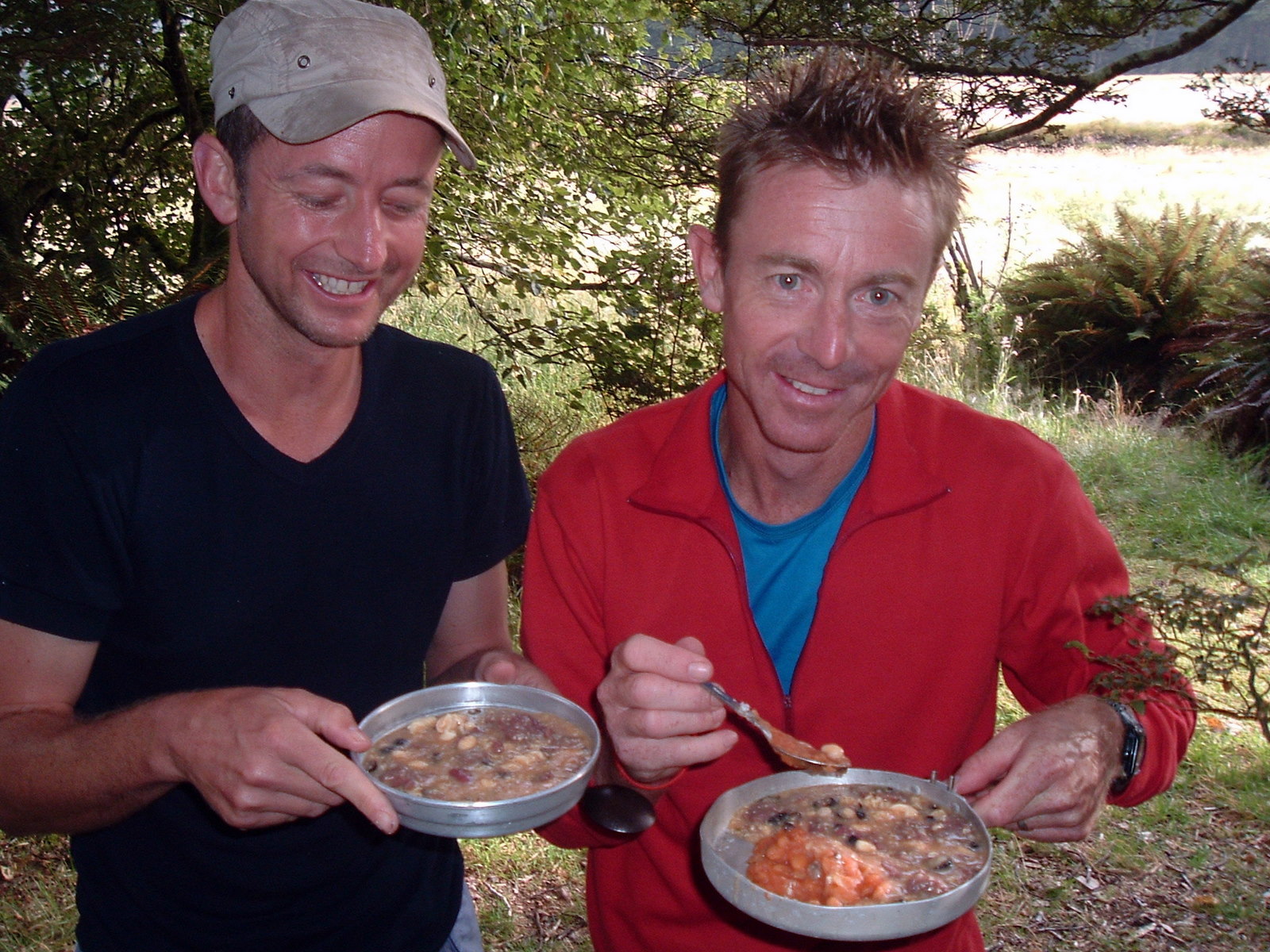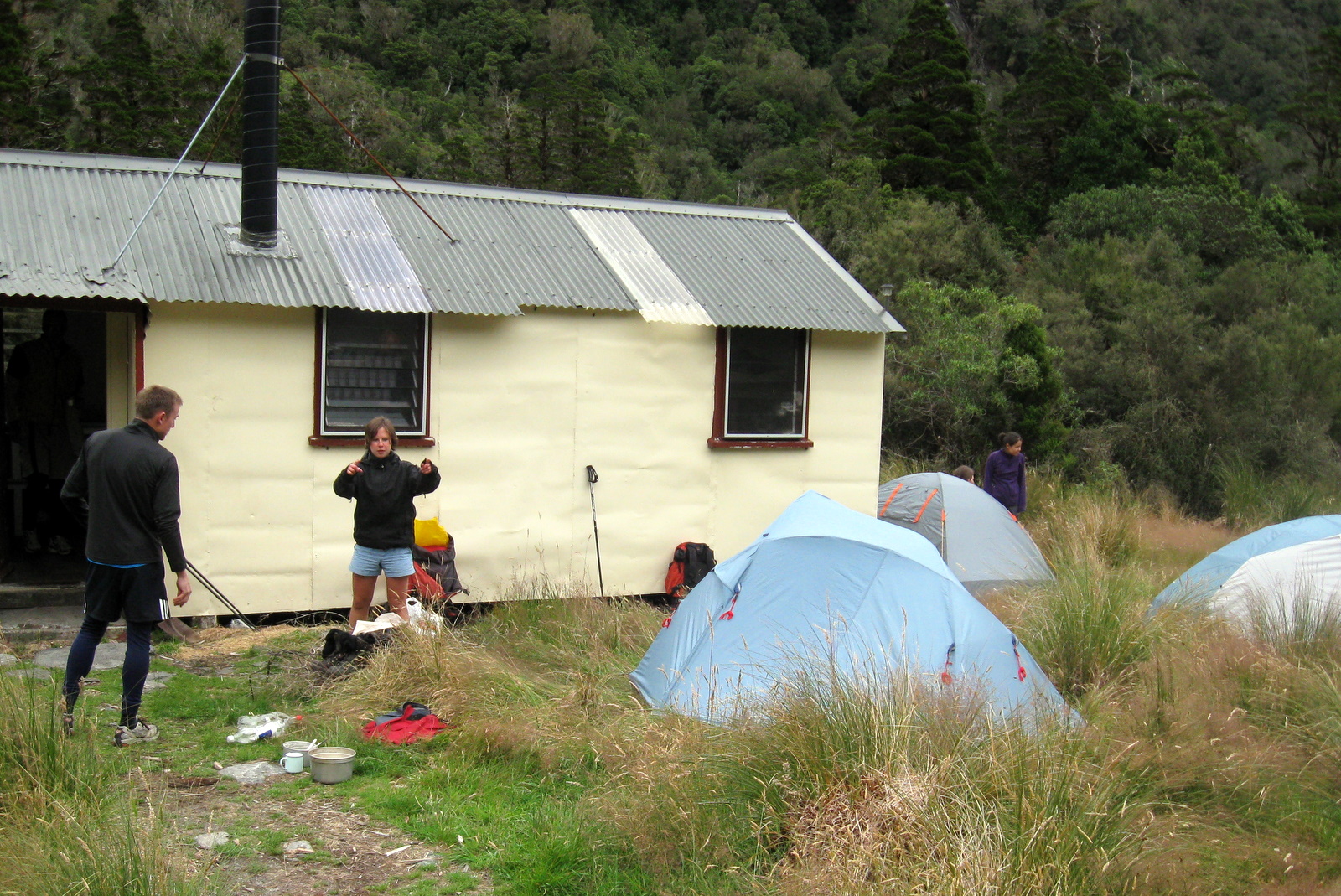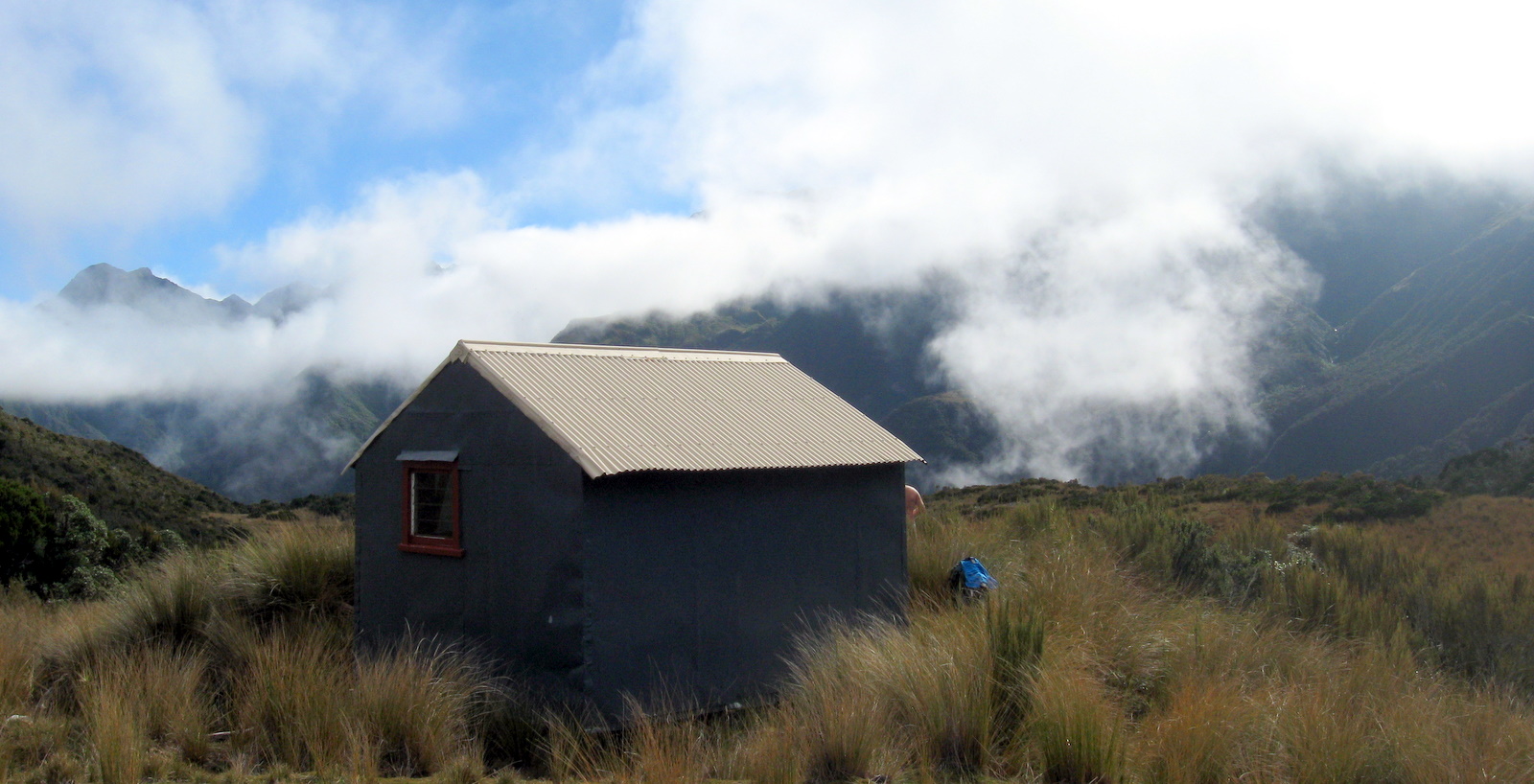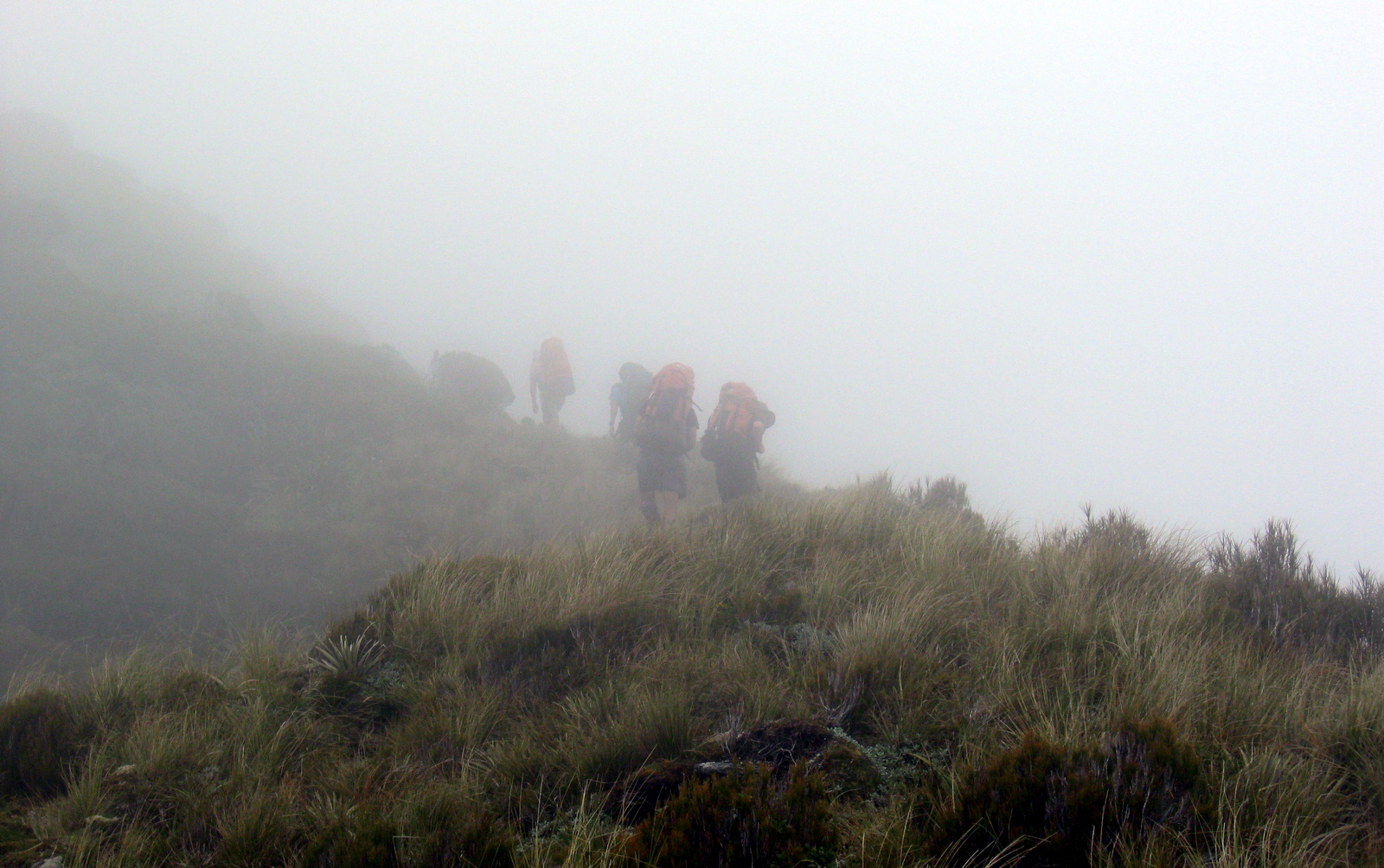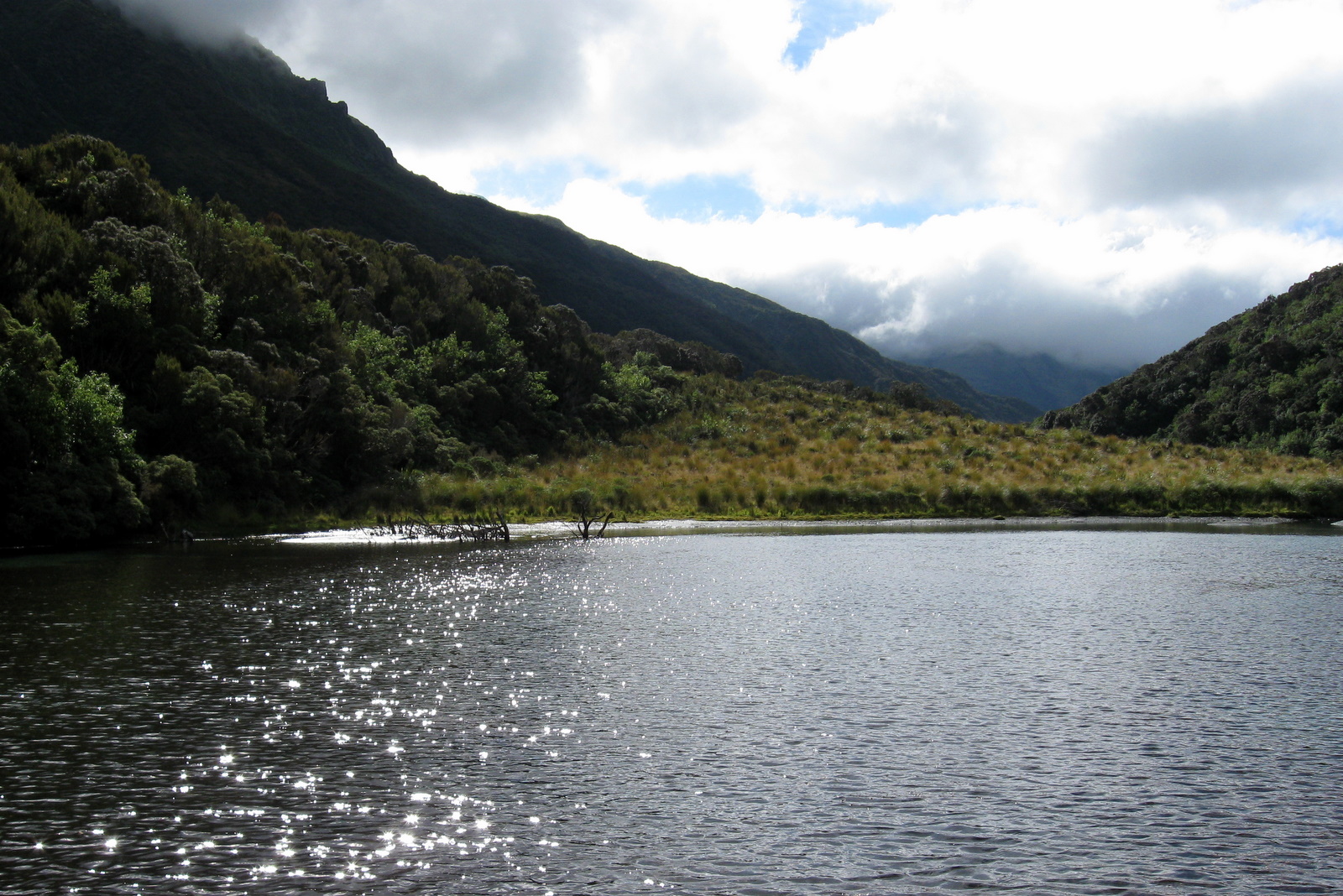
After seven years of Moa Hunting, a number of traditions have evolved… little things that happen on every expedition. It will come as no surprise to anyone who knows any of the Moa Hunters that they almost all revolve around food and drink!
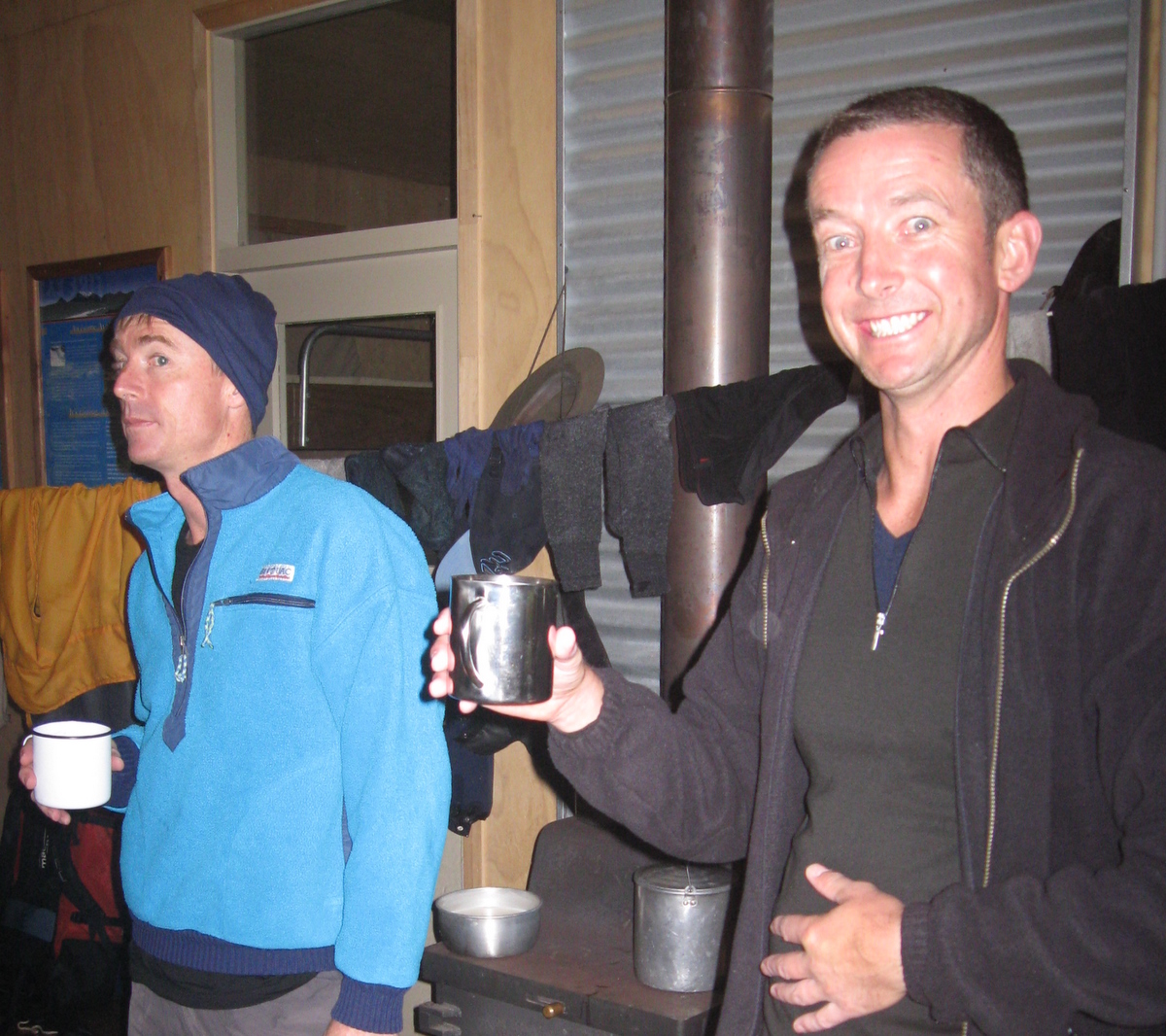
Tradition #1: Fortified Hot Chocolate
In Scotland, pouring whisky into a hot chocolate is probably a capital offence. At the very least it would warrant a sound beating and being thrown over the border into England.
Fortunately the Moa Hunters do very little walking in Scotland, because whisky fortified hot chocolate is a firm favourite.
Tradition #1 dictates that Moa Hunters may bring anything they like on a Moa Hunt, provided they pack at least 300ml of whisky or similar fire water.
If you are feeling skeptical, we suggest you try adding a generous pour of whisky to a hot chocolate on a cold night, in a remote hut, hundreds of kilometres from civilisation. Trust us, it is incomparable.
Tradition #2: Desserts
Lots of walking demands lots of calories. The Moa Hunters are simple blokes, and fortunately the maths is also simple. Energy out demands energy in. Thus, to be certain there is absolutely no chance of a sugar deficit, Moa Hunter meals always include dessert.
Particular favourites to date have been cheesecake and the always yummy instant pudding. One particularly legendary effort involved a baked chocolate cake.
Tradition #3: The Date
We always walk in February. Always…Except when we choose January. Always always always. Except when we have an earthquake. If that happens, we go in April.
There are some very specific technical reasons why we choose February. Or January:
The weather is still mild
We have spent the past three months carbo-loading and are in peak condition
It’s school holidays, and Chris is now a teacher
We are creatures of habit
Tradition #4: Porridge
For many years, Chris spurned the delicious white sloppy mess that is porridge. While he chewed through a bowl of bird seed, the rest of the boys slurped down piping hot porridge topped with vast quantities of brown sugar.
Thankfully he has seen the light and no longer pours scorn on the our traditional Scottish favourite. It seems Chris has realised that the porridge is of course merely a convenient medium upon which brown sugar can be mounded thickly and eaten.
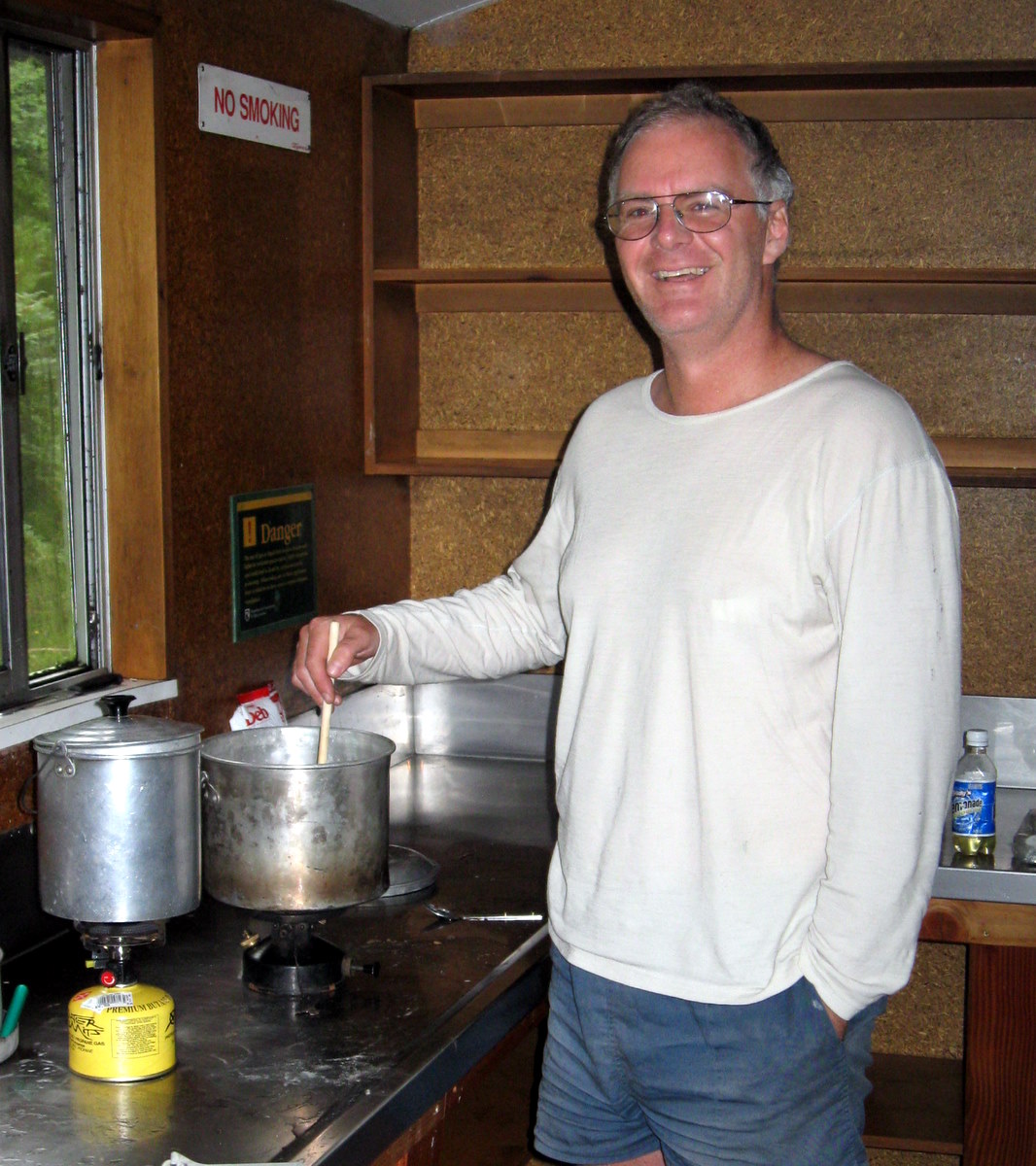
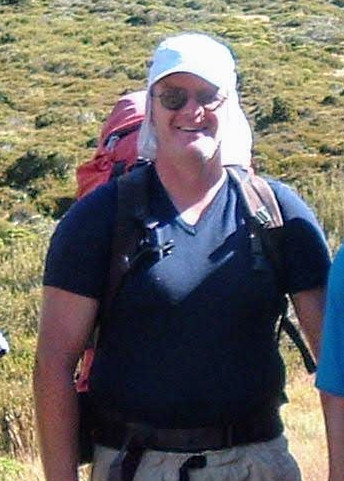
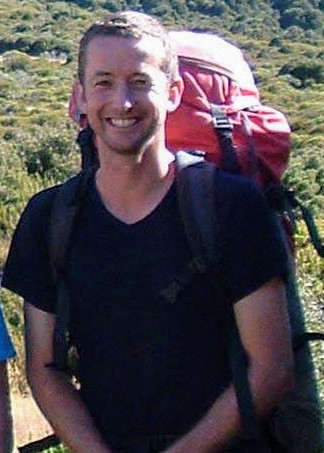
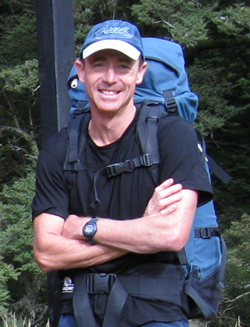
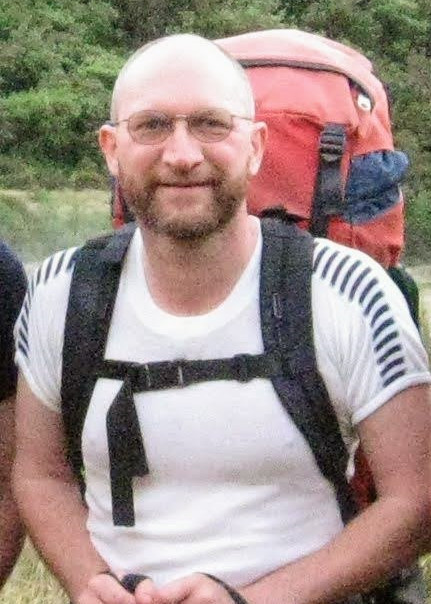
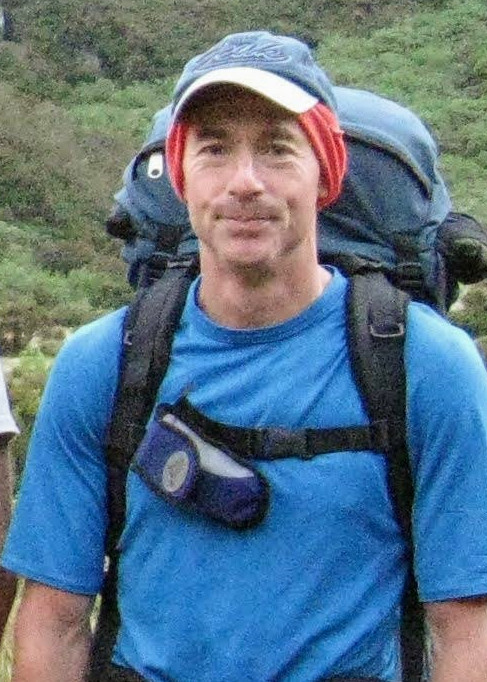
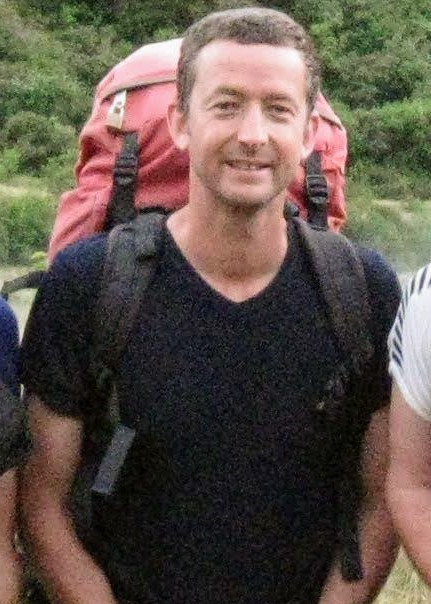
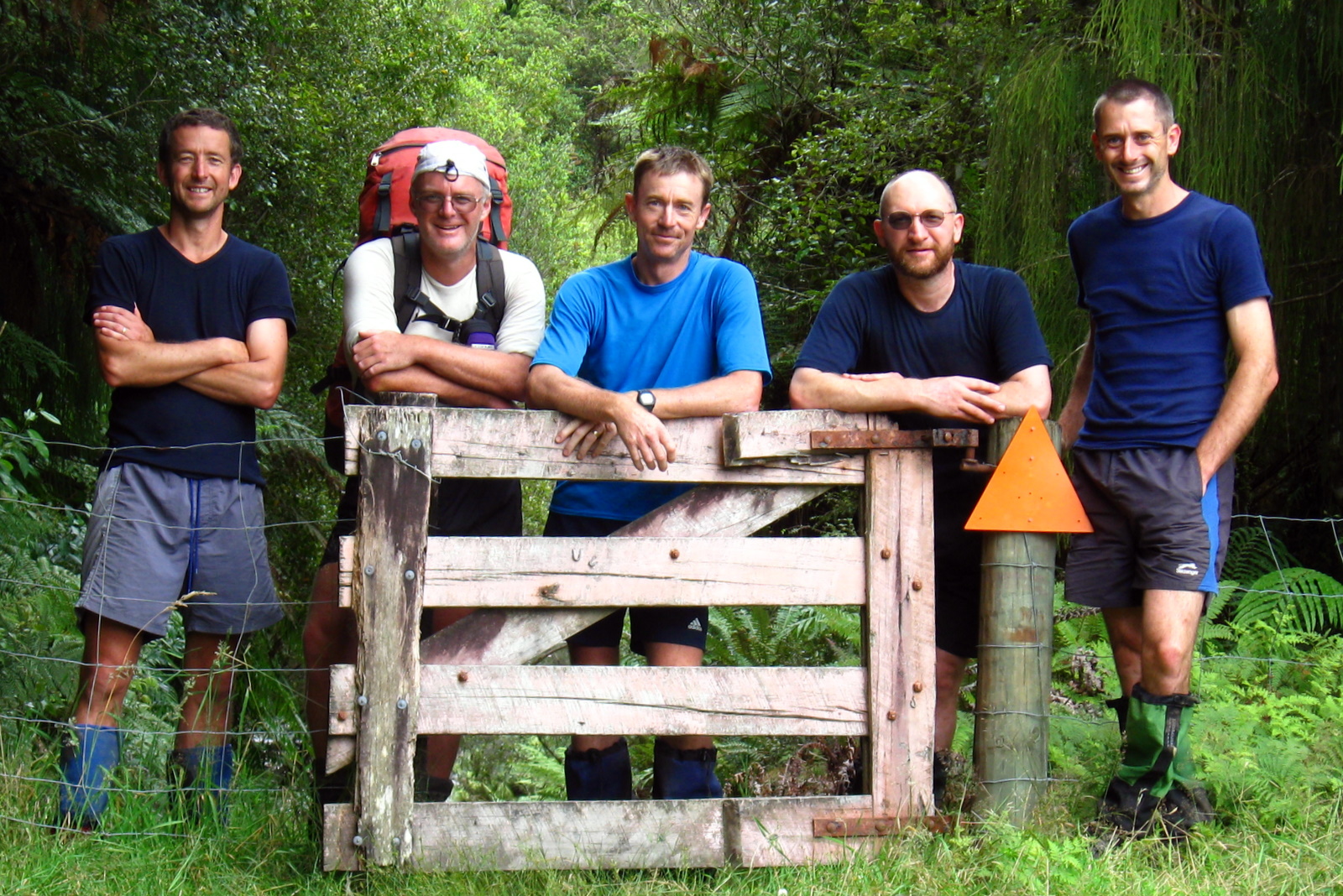
Moa Hunters on this trip: Chris, Adam, Richard, Paul
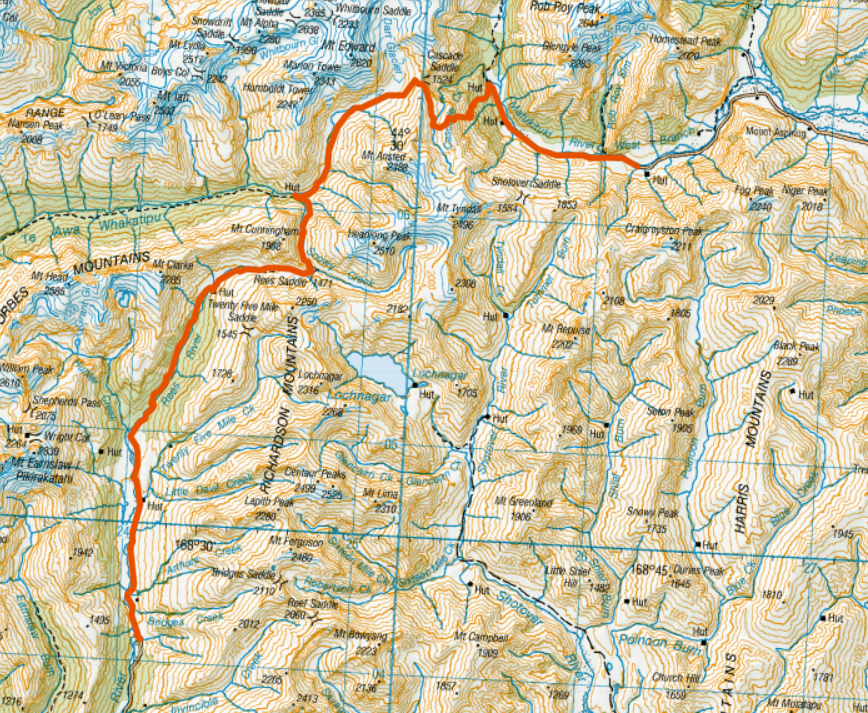
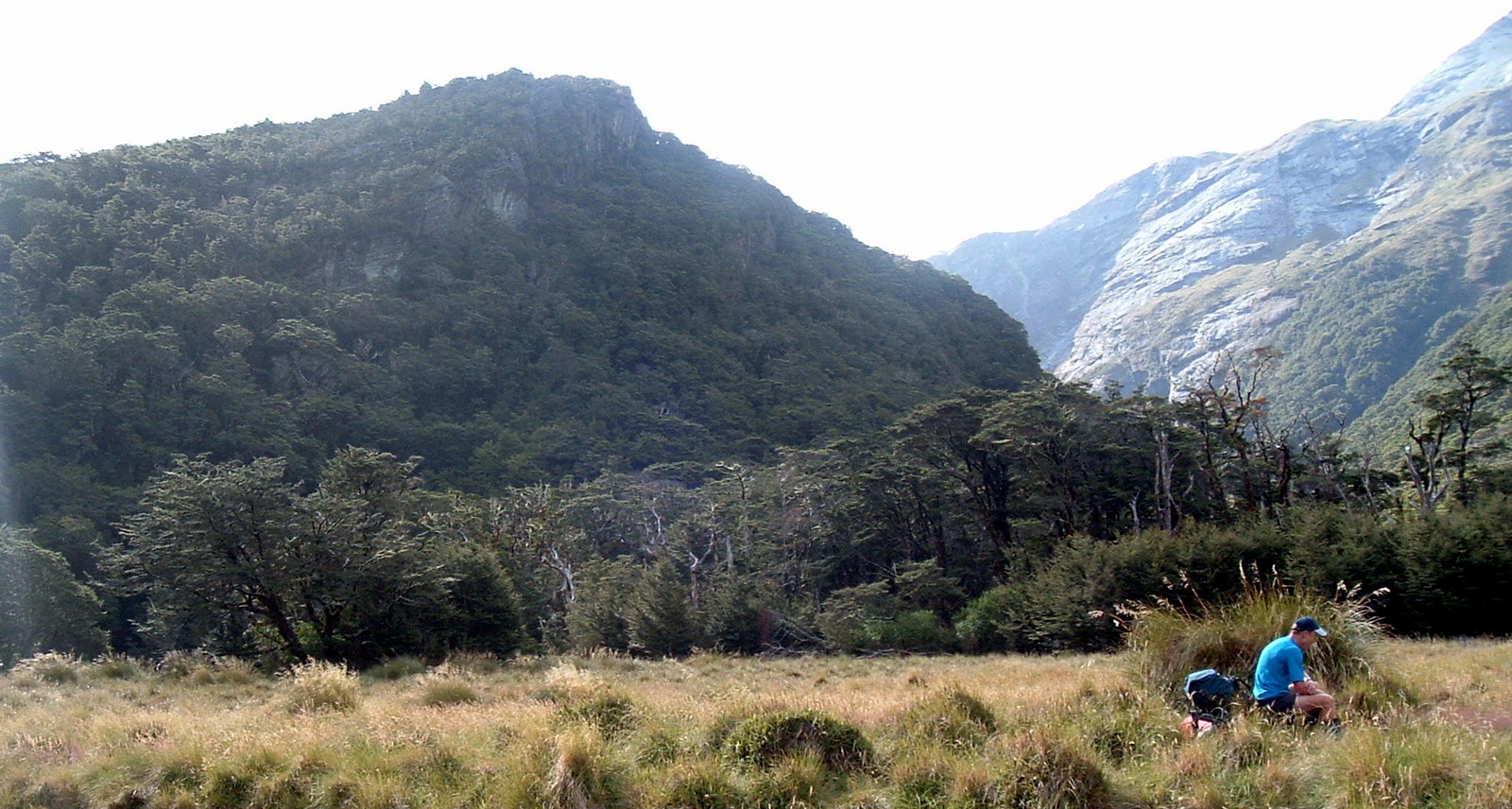
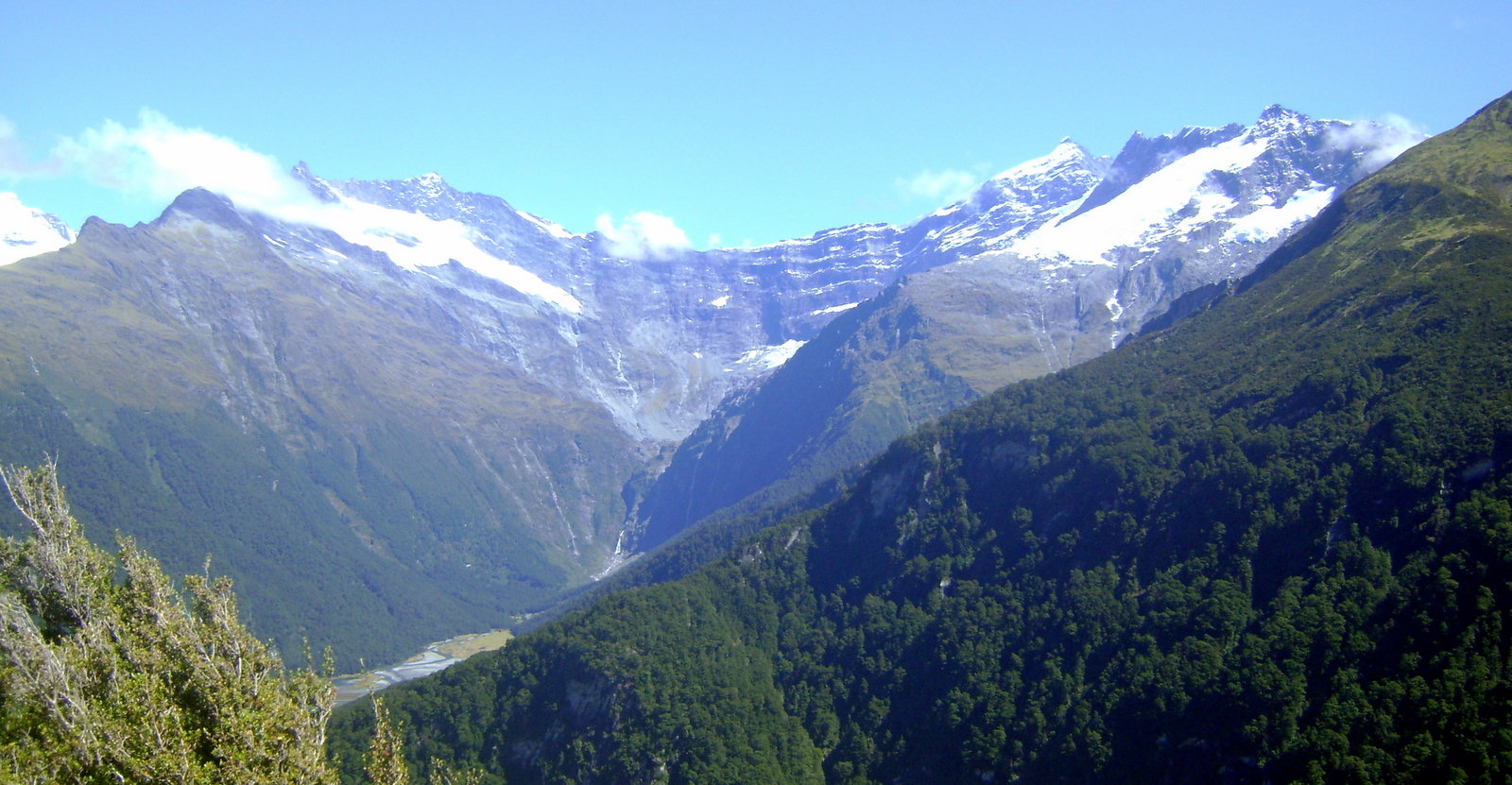
If the Department of Conservation was to elevate another track to Great Walk status, the Rees Dart track would be a strong contender. The Rees and Dart valleys are surrounded by spectacular mountains. The huts are large and the tracks well graded and maintained. If anything it is verging on slightly mainstream for Moa Hunters. But the magnificent surroundings make it one not to be missed.
Our itinerary:
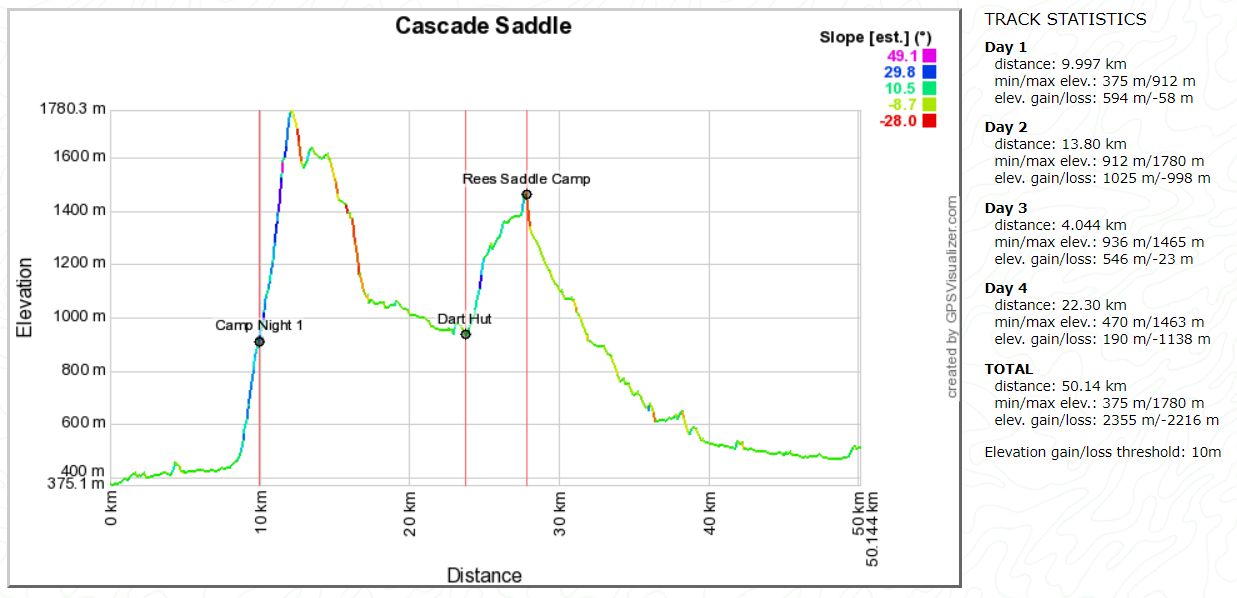
Day 1: Raspberry Creek up Matukituki, past Cascade Hut, past Aspiring Hut, camp somewhere. Day 2: Camp to Pylon, to Cascade Saddle (1524m) to Dart Hut Day 3: Dart Hut to Rees Saddle Day 4: Rees Saddle to Rees Valley Road End (Muddy Creek)
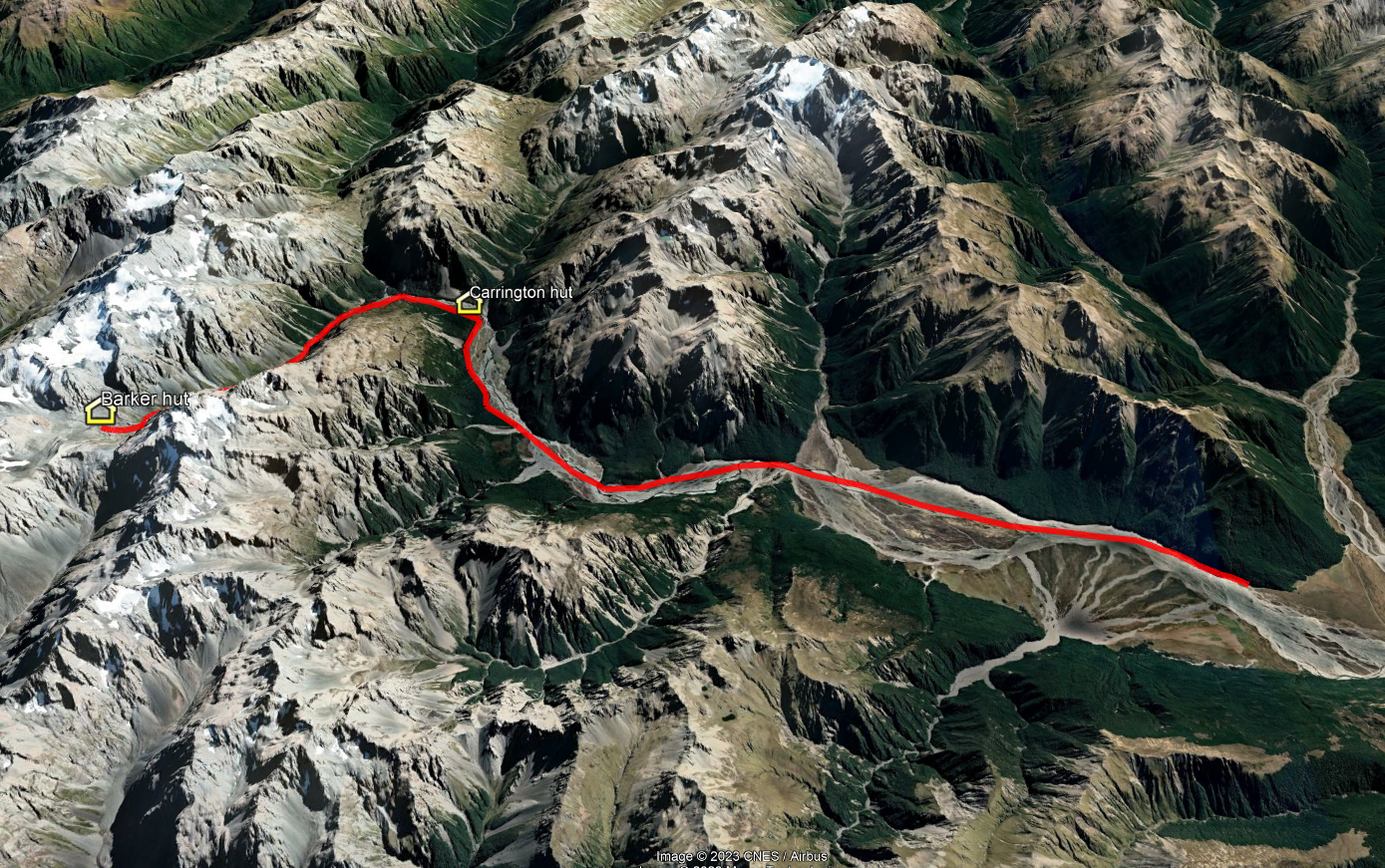
Google Earth flyover of the approximate Cascade Saddle route
Day 1
Saturday 24th February – Raspberry creek to campsite
Little did Sonya know when she agreed to put us up for the night at her house in Wanaka that we would be back regularly for a few years to come! Neither did we back then, but nonetheless we still very much appreciated her hospitality and kind offer to drive us to the start of the track and collect us a few days later.
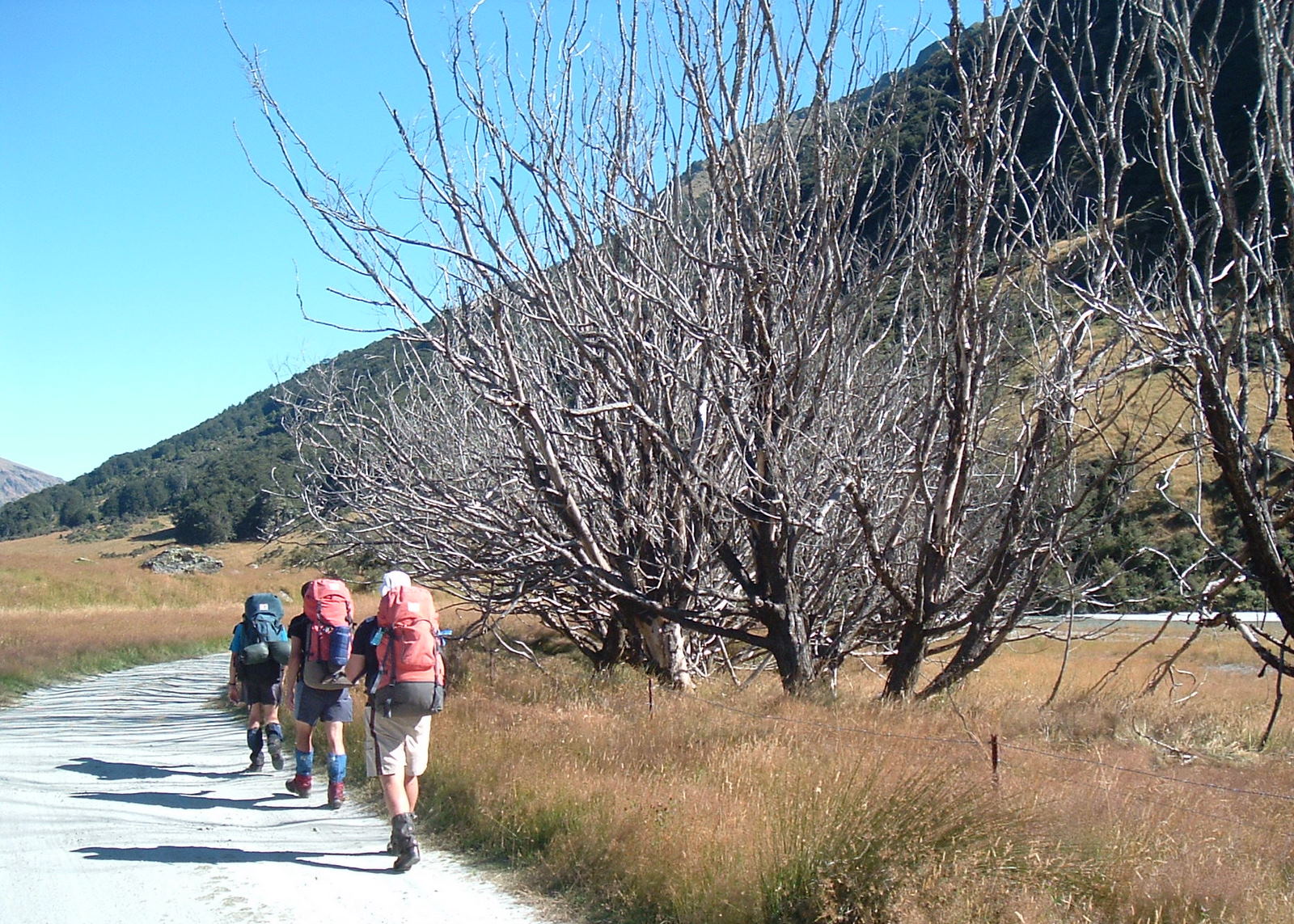
From Wanaka we were driven to Raspberry Flat, at the end of a long shingle road which follows the West Branch of the Matukituki River. It was a day for hats and plenty of sun block. Even though it was only mid morning, we soon worked up a sweat as we trundled along following the track up the true right of the river.
Wandering up the Matukituki West Branch
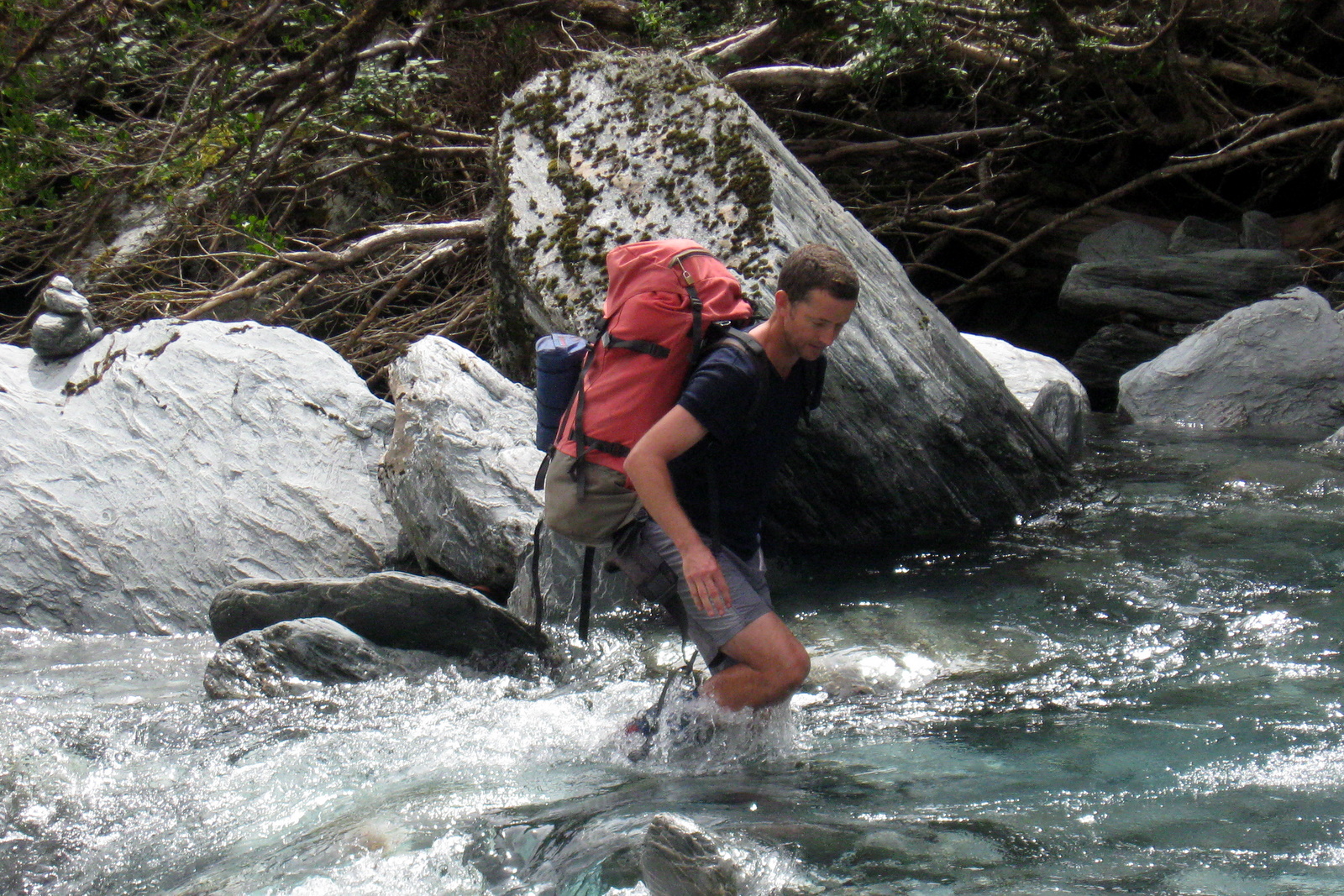
There were numerous small creeks to rock hop across along the way. Well, unless your name is Chris. In which case you avoid the rocks and plunge in boots and all at the first opportunity. “It doesn’t feel like real tramping if my feet are dry,” he assured us.
Easy walking up the Matukituki valley
Walking up the valley was very pleasant and the surrounding mountains were more and more spectacular the deeper we got into it. There were no nasty bluffs to grunt over. Just a long flat grassy valley floor. In fact it was all too easy. Which suited Paul very well. He was, in his own words, feeling a little under par.
When we reached a fork in the track, Paul no doubt took a couple of deep breaths. The right fork continues gently up the valley. The left one, which we took, launches immediately into a steep climb.
Starting at 450 metres above sea level, the climb is continuous. Towards the end, it becomes brutally steep. At around 1780 metres there is a pylon which marks the highest point of the ascent.
As we climbed through the beech forest we kept an eye out anywhere suitable to set up camp. The route guide mentioned there are a couple of well used flat areas beside the track. Paul did amazingly well considering he wasn’t feeling great. He certainly didn’t slow us down, despite feeling considerably more buggered than he normally would for the level of exertion.
Camping en route to Cascade Saddle
When we finally came upon it, the first camp site was fairly obvious, with two flat cleared areas next to the track. We decided to stop and set-up camp for the night. Jobs were split. A couple of us put up the tents while Richard cranked up a burner and set about frying kransky sausages. Strong flavoured and full of fat, kranskies are fantastic tramping fodder. That night they tasted better than ever.
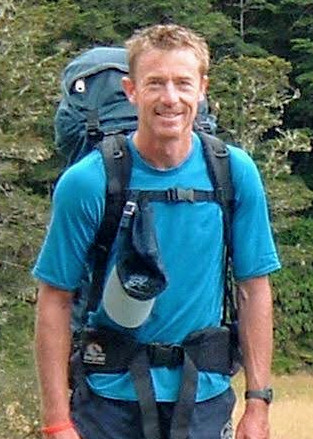
As the light faded, we sat in a small group and talked about nothing in particular. Without a pack on his back, and a belly full of food, Paul was feeling a lot better. While we swapped tall stories, each of us at different times noticed small movements out of the corner of an eye. Before long we worked out what those movements were. The campsite was alive with mice! They were clearly seasoned campaigners and knew that a group of trampers like us were bound to leave a few tasty crumbs about. They were also confident we were no threat, being so bold as to nip out on reconnaissance runs while we sat there watching. Tiredness eventually overcame our interest in the little rodents, and we all wriggled into sleeping bags for the night.
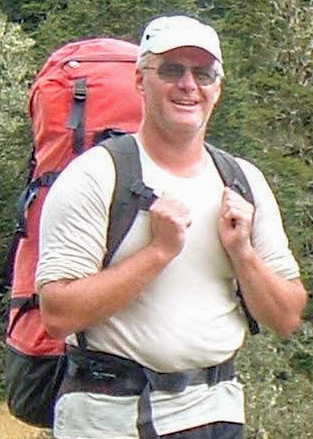
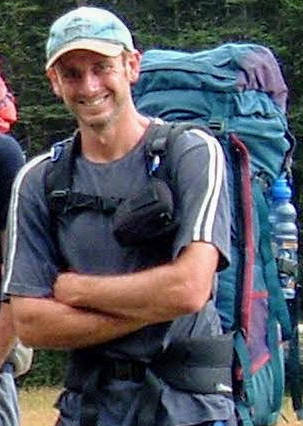
Day 2
Sunday 25th February – Campsite to Dart hut
Looking down the Matukituki.
The next morning dawned overcast. After a hearty feed of porridge, we stuffed all our gear back into our packs and were ready to continue up to the pylon and Cascade Saddle. Heading straight up a hill from the first step is always a bit of a rude awakening for leg muscles. But it didn’t take long to warm them up and get into our strides. We made good progress despite the track becoming steadily steeper the higher we climbed.
About 300 vertical metres from the pylon the track clears the bushline. It is at about that point that we felt the first smatterings of rain. From this point we did get some nice views back down the Matukituki valley we had walked the previous day.
We stopped and briefly dropped packs to pull on our jackets. The higher we climbed, the worse the weather became. Cresting the final rise we had our heads in the low cloud and the rain was becoming more persistent.
In sunny conditions we probably would have stopped at the pylon to enjoy the view and savour the moment. It wasn’t sunny, and we didn’t. Beyond the pylon, there is a descent of about 200 metres leading into a long flat basin. It was there we found what little shelter there was and had a break for some lunch. With a moderately strong wind blowing across the tops and cold rain falling, this particular lunch break was short, and only memorable for being generally crappy.
A wet walk down from Cascade Saddle
The views from Cascade Saddle are allegedly spectacular, with Mt Aspiring in particular being a highlight. Not so on the day we walked through. Little did we know that this would be the first of many times Mt Aspiring would cover it’s face with cloud as we passed by.
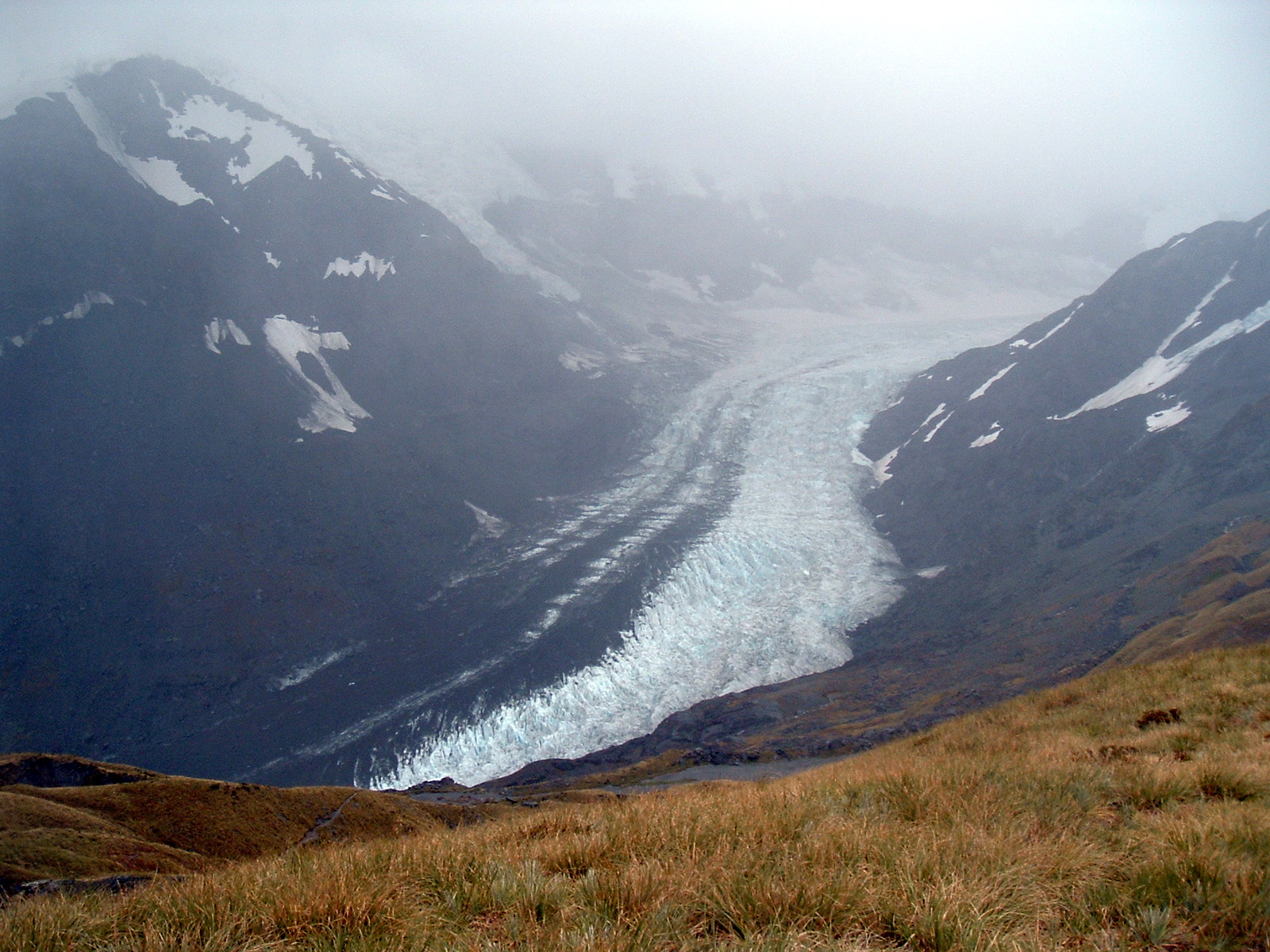
We hit the saddle soaking wet, but in good spirits and started the descent into the Dart Valley. Despite the cloud, we enjoyed what terrain we could see. In particular the Dart Glacier, which was a highlight of the afternoon’s exertions.
Southern tip of the Dart Glacier
By late afternoon we were in sight of the Dart Hut. It had rained on and off most of the day, but not enough to dampen our spirits. That said, seeing the Hut down the valley, and imagining how warm and dry it might be inside was a welcome thought.
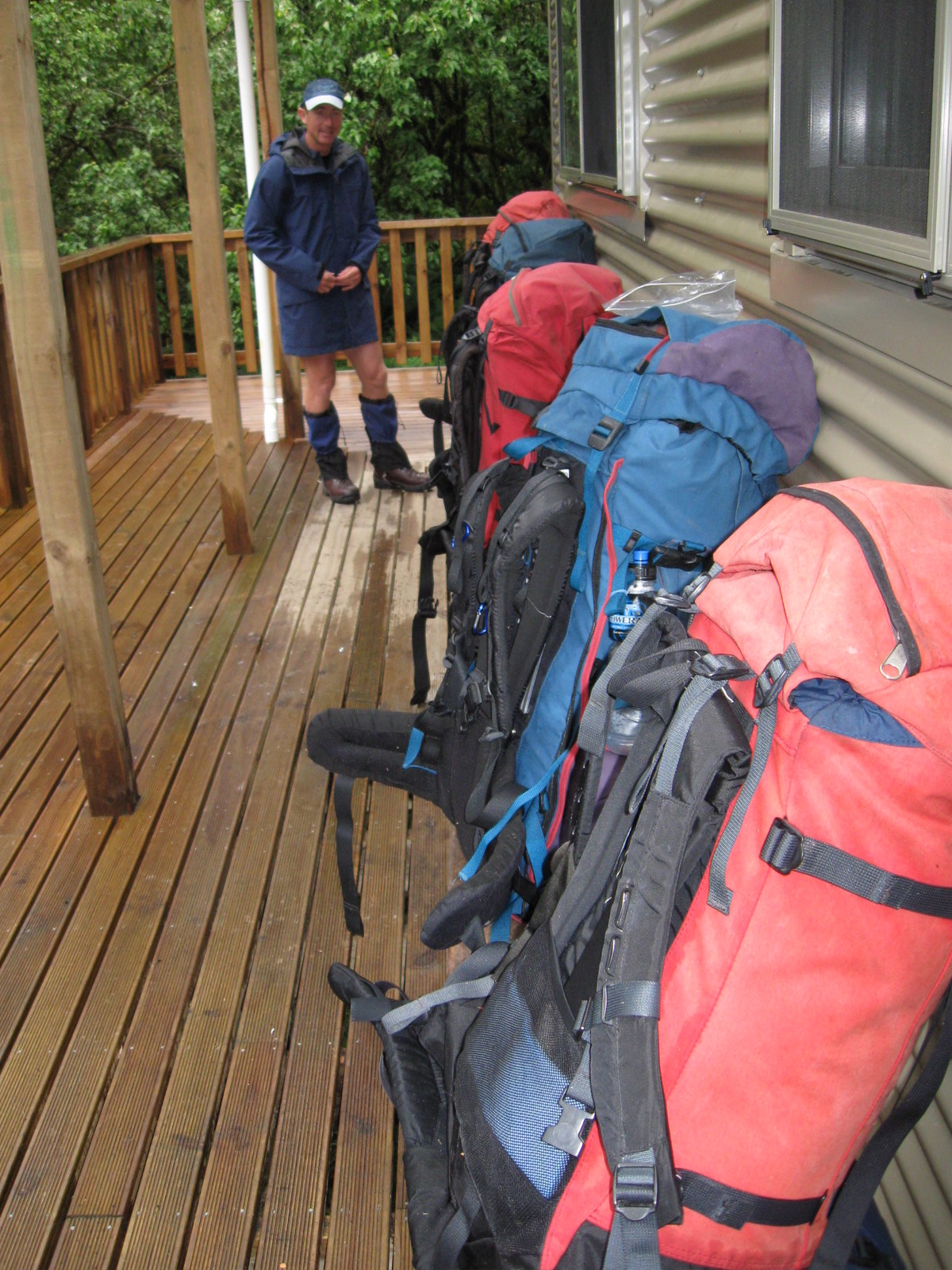
One by one we made our way across the wire swing bridge that crosses Snowy Creek, just ahead of the Hut. From there it was a short hop skip and a jump down to the hut and an end to a damp but rewarding day on the track. It always feels great to take off your backpack for the last time after a days walking. We dumped them on the timber decking of the Hut, hung out jackets up and moseyed on inside for a look around.
A damp Richard contemplates the Dart Hut
There were a few groups there already, mostly getting their food prepared for an evening meal. There were plenty of bunks still available, but we threw our sleeping bags onto some to ensure we didn’t miss out on a bed, should there be a late influx of trampers.
That nights meal was two courses. A spiced up mince dish from memory, followed by cheesecake. It turns out that making cheesecake from a packet mix is very straightforward, easily done even on a tramping trip. Once we had everything cooked up, we found a free trestle table and began wolfing down the mince. It was bloody fantastic. Perhaps if you were served it at a restaurant you would raise an eyebrow. But where we were, it was fit for a King.
We got talking to a lone tramper while we ate. Learning he was walking the length of the South Island solo impressed us. Starting in the South, he planned to finish in Nelson. Given he had been eating freeze dried food three times a day for quite a few days, we offered him some cheesecake. And a hot chocolate. Initially he politely declined, but after some gentle encouragement, succumbed to the temptation. His stomach didn’t know what had it it with all that rich food arriving. We suspect nor did his head… as is the Moa Hunter tradition, a generous tot of whiskey had been added to his hot chocolate!
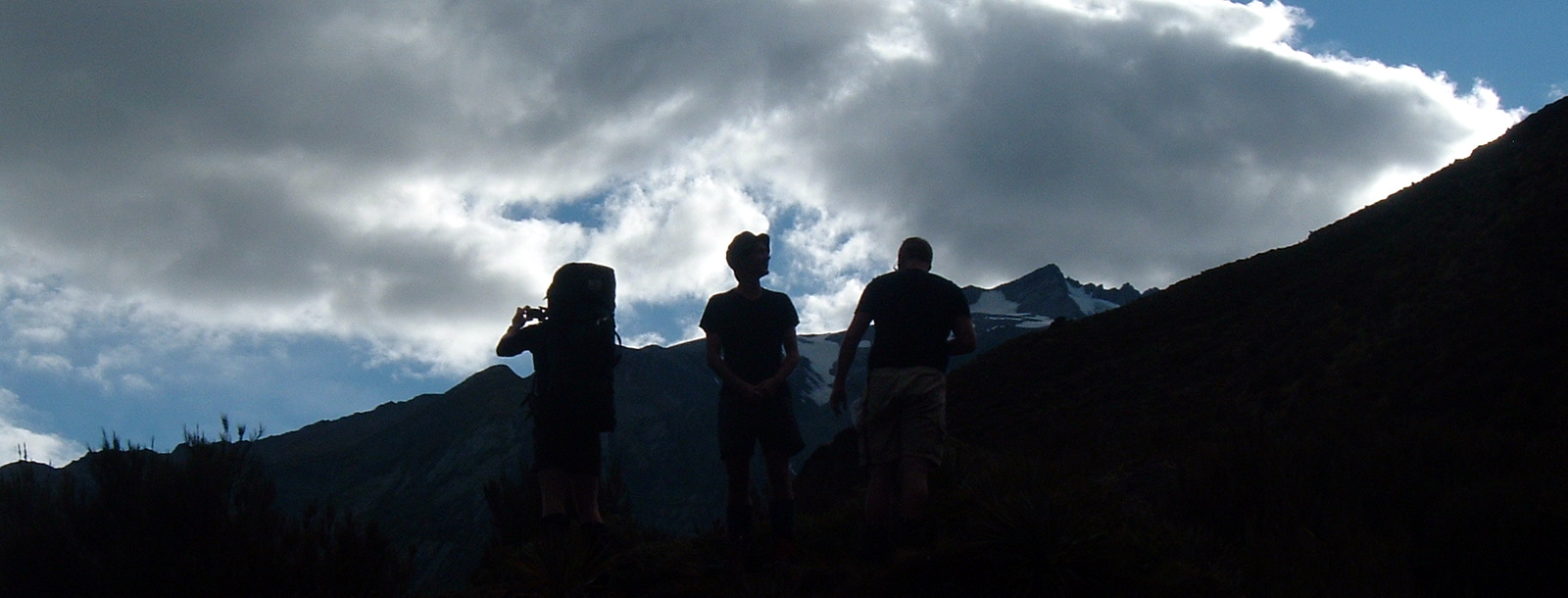
Mid-morning silhouettes
Day 3
Monday 26th February – Dart hut to Rees Saddle
Next morning we were on the trail again, headed for the Rees Saddle and the Rees Valley beyond. The weather had perked up significantly and we set off with jackets stowed in the tops of our packs.
Chris exchanges pleasantries with some Kea
Walking in dry conditions made for a pleasant change and we all enjoyed the chance to take in the surrounding scenery while discussing the World’s problems and how to solve them.
A few Kea followed us up the track for a while, perhaps optimistic we might throw them something tasty. We spent a little time wondering if they were a family group or not, and marveling at their cheekiness as they hopped about so close to us. They were good company, but clearly didn’t feel the same affection toward us. They left as soon as it became apparent we weren’t going to feed them.
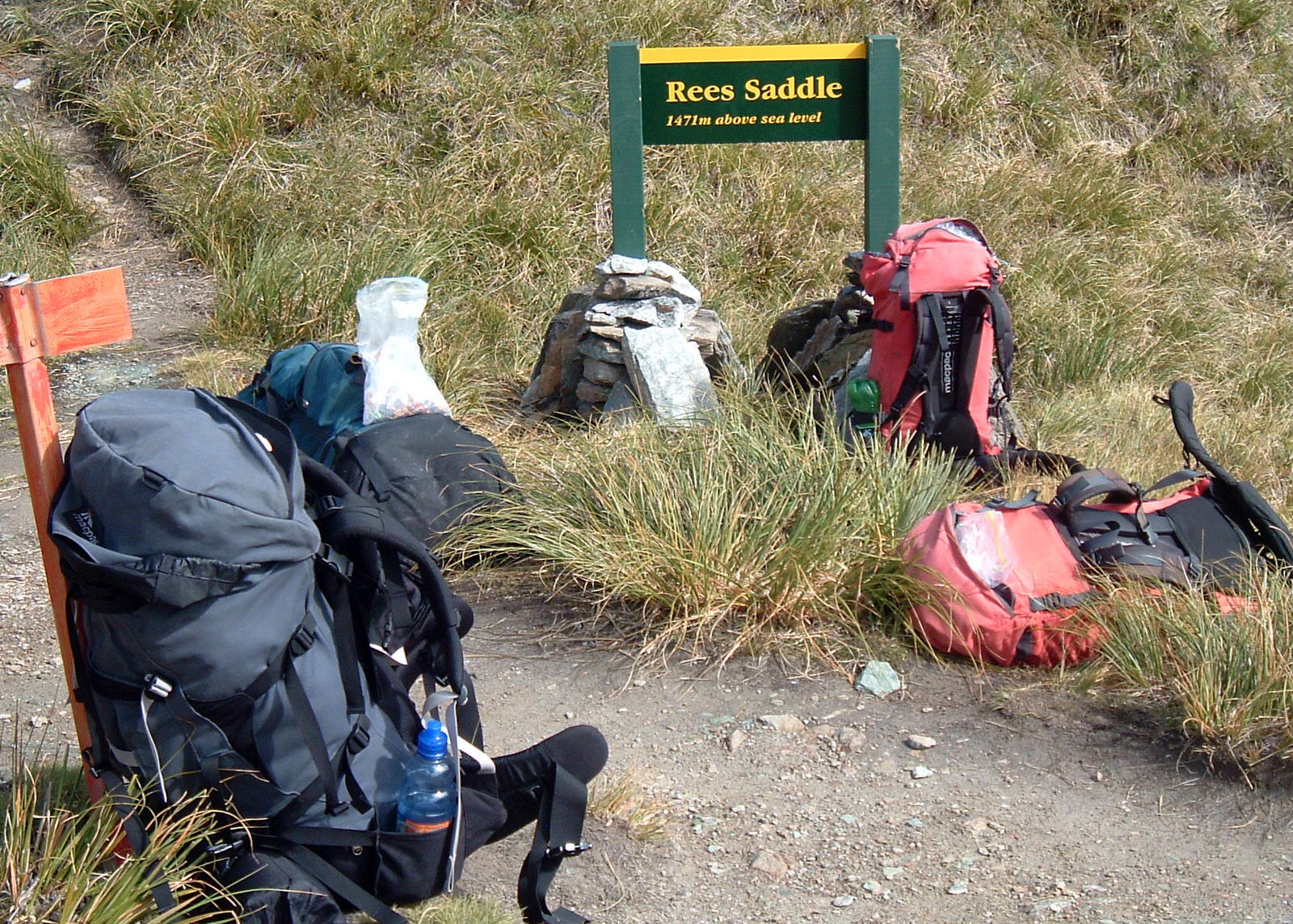
We reached Rees Saddle just before midday. At just below 1500 metres above sea level, there were some good views to be had. We dropped our packs and had a quick munch on some scroggin and whatever other goodies were in our pack pockets.
Packs ditched at the top of Rees Saddle
An unofficial track to our right headed up to what looked like a great vantage point. We scrambled up and were not disappointed. Being at the junction of three valleys, the scenery in all directions was stunning.
Paul, thinking ahead as always, came up with a suggestion. Studying his topomap of the area, he proposed a change of plan. Rather than carry on down into the Rees Valley, why not camp right where we were standing. A night in tents at 1500 metres appealed to Paul. It would leave us a long walk the following day. But after a light day, no problem at all for four Moa Men. We all agreed it was a bloody fantastic idea.
Our Campsite above Rees Saddle
An hour later we had put up the tents, sorted out some day packs and were heading up a ridge to do some exploring. The higher we walked, the better the view became. Before long our tents were small below us and the valley stretched out magnificently beyond them.
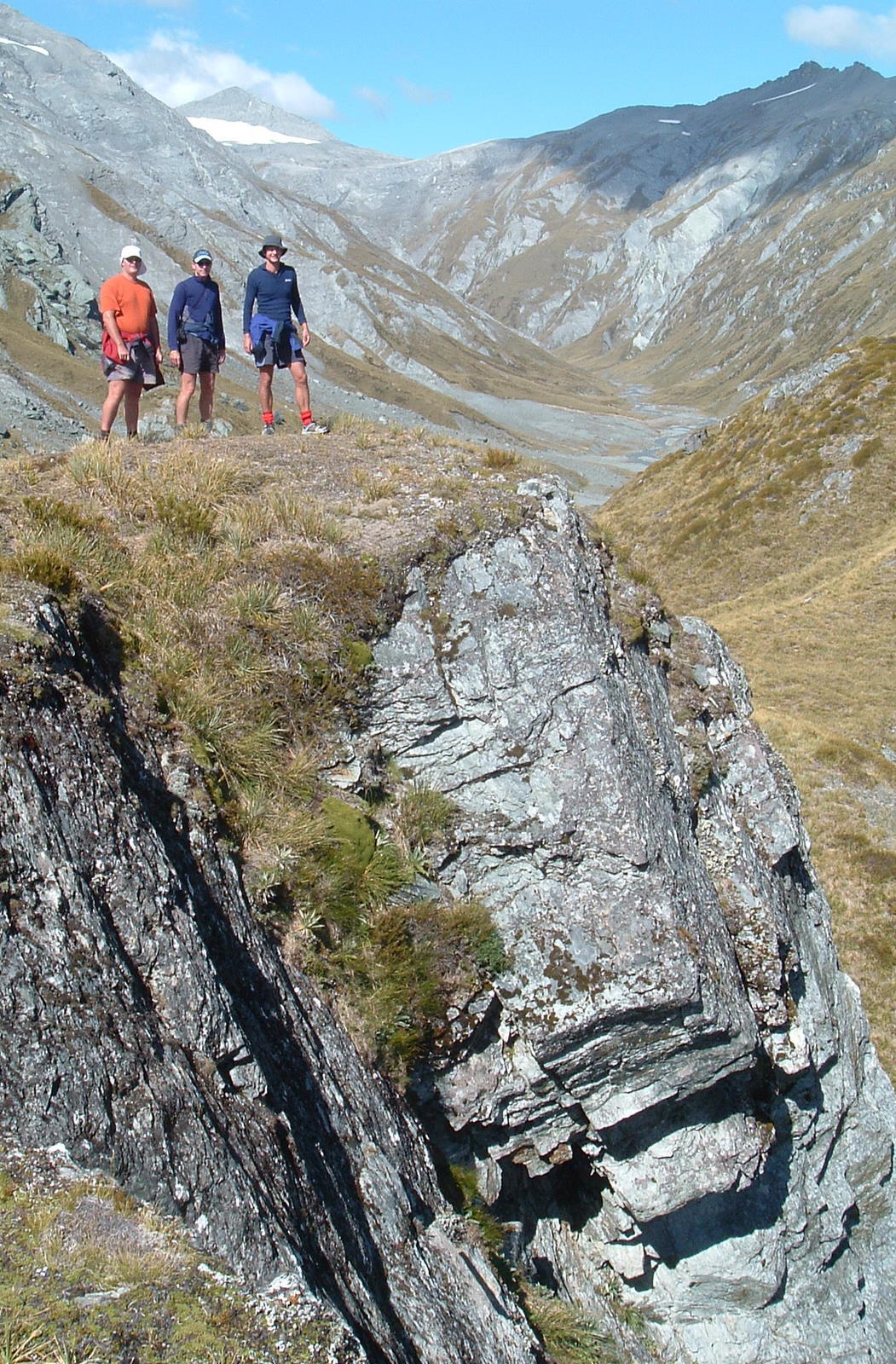
Our plan was to climb quite a bit higher than we actually got. It turns out that what looks possible on a map and from below, can be an entirely different prospect when you reach it. The steep rocky bluff we had considered climbing looked difficult and slightly dangerous.
Luckily, just below it was a grassy area which faced the afternoon sun. Each finding a comfy spot, we lay back, talked a bit, and soaked up the occasion. Being out in the mountains so far from anything and anyone else is a great feeling. When we stopped chatting, there was not a sound except those of nature itself.
Exploring around Rees Saddle
The remainder of the afternoon was spent exploring the immediate area around Rees Saddle and rustling up some food for dinner. A few small tarns were the only nearby water sources we found. While tarn water is generally drinkable, it doesn’t rate highly with Moa Hunters. We used as little of it as possible, relying on the water we had in our drink bottles in preference.
After we had eaten, the sun gradually dropped below a hill and we were left in its cool shadow. We couldn’t help but notice that not far from us at the East end of the Rees valley was a large flat rock, bathed in sunshine. Ten minutes later we were on that very rock, soaking up the last rays of sunshine and sipping whiskey. It was a fitting end to a very good day in the hills.
Day 4
Tuesday 27th February – Rees Saddle to road end
With a long day ahead of us, we were up bright and early the next morning. It had been a cold one. There was frost on the tents. We laid the flys out in the sun while we ate breakfast, then quickly packed our kit and kaboodle.
Heading down to the Rees Valley
The descent from Rees Saddle into the valley was short and sharp, following a rock strewn path that cuts down the side of a steep hillside.
We quickly got into our stride and were soon making good progress from the narrow head of the valley down to the wider open grassy flats below.
As the morning wore on, any remaining cloud burned off and the temperature climbed quickly. A benefit of walking down a long river valley is there is always water at hand. On that day we drank plenty of it.
While on the Rees Saddle we had seen a number of helicopters and light planes flitting back and forwards, no doubt flying tourist over the spectacular glaciers and peaks in the area, then back to Queenstown or Wanaka. There were less this day, but we still heard the occasional sound of a choppers rotors from somewhere among the surrounding mountains.
Late in the morning we reached the Shelter Rock hut and stopped there for a break and some food. It looked like a nice enough hut, but not nearly as interesting a place to spend the night as on top of the Rees Saddle.
The Moa Hunters outside Shelter Rock Hut
From there we carried on down the valley. When eventually Mt Earnslaw came into view, it was a stunning sight. Somehow it seemed compulsory that we all stop to photograph it.
Magnificent Mount Earnslaw
As the afternoon wore on, the Rees valley seemed endless. While the mountains to our left and right changed as we progressed, the valley remained much the same. After many hours of walking it, we were growing ever so slightly weary of the never ending grassy track.
A sundrenched Rees Valley
Reaching road end at around 6.30pm, we were all tired, but happy to be able to drop our packs and loosen the boots from around our hot feet.
Rees Valley Road End
Sonya showed up in Paul’s car to collect us. She confirmed her status as the most awesome gal in the Deep South by producing a coolie bag containing cold beers and a couple of bags of chips. Mt Aspiring National Park is a magnificent part of New Zealand. There was no doubt we would return there for more Moa Hunts in years to come.
Moa Hunters on this trip: Richard, Chris, Magnus, Paul, Adam
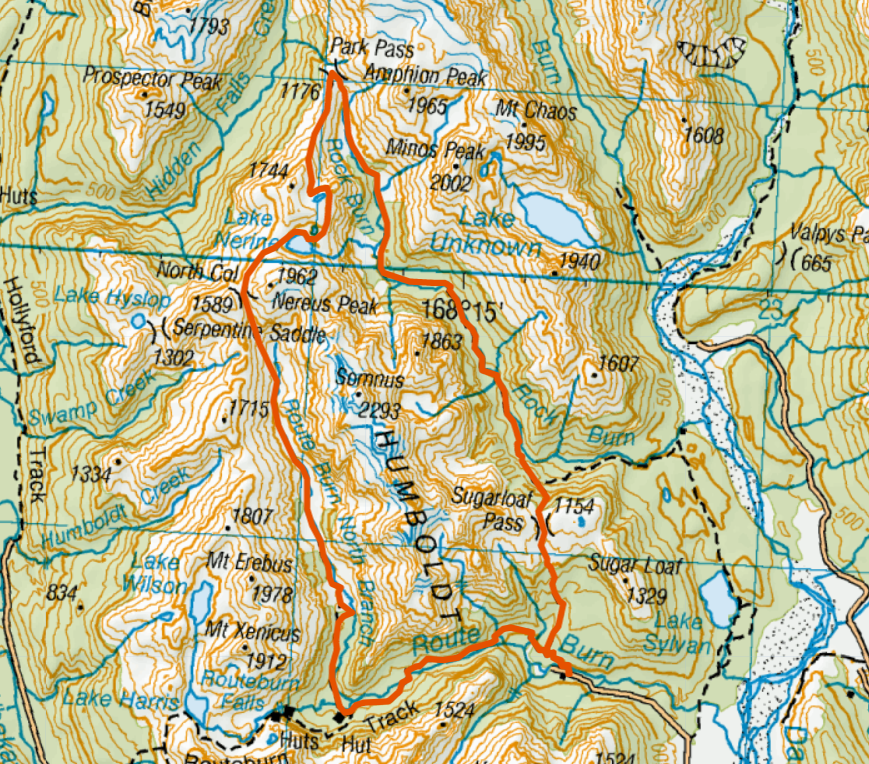
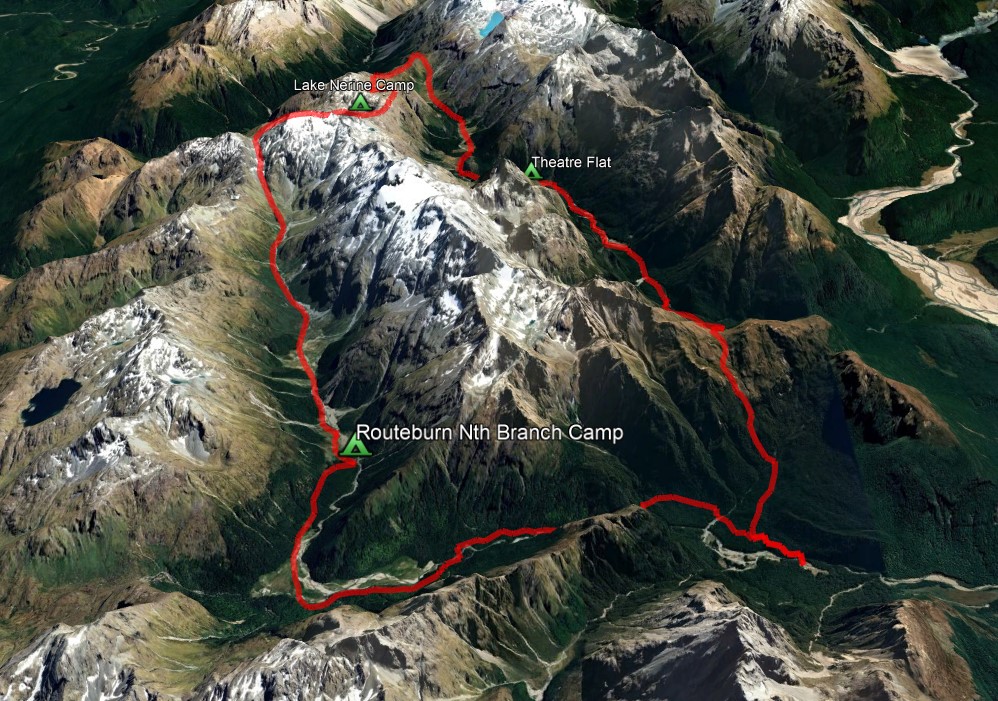
Originally we planned to do the Rabbit Pass trip this year, but Mother Nature had other ideas. A very large landslide dammed the North branch of the Young River and created a substantial lake above it. The Department of Conservation, unsure of the stability of the dam, closed the Young Valley track, effectively buggering our prospects of doing the Young Valley, Gillespie Pass, Rabbit Pass walk. Undaunted we came up with this itinerary instead:
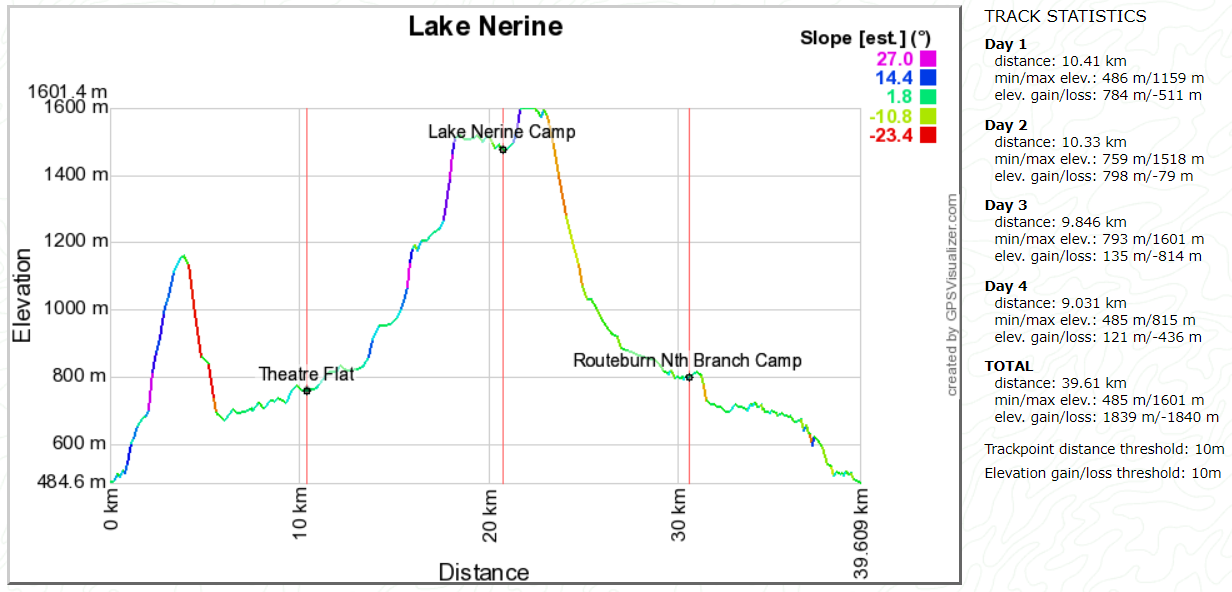
Day 1: Start at the Routeburn Shelter over Sugarloaf Pass, descend into Rock Burn, camp at Theatre Flat. Day 2: Theatre Flat to Park Pass and Lake Nerine. Day 3: Lake Nerine to North Col, down to Routeburn North branch. Day 4: Route Burn North branch to Routeburn Shelter
Google Earth flyover of the approximate Lake Nerine route
Day 1
Wednesday 20th February – Routeburn shelter to Theatre Flat
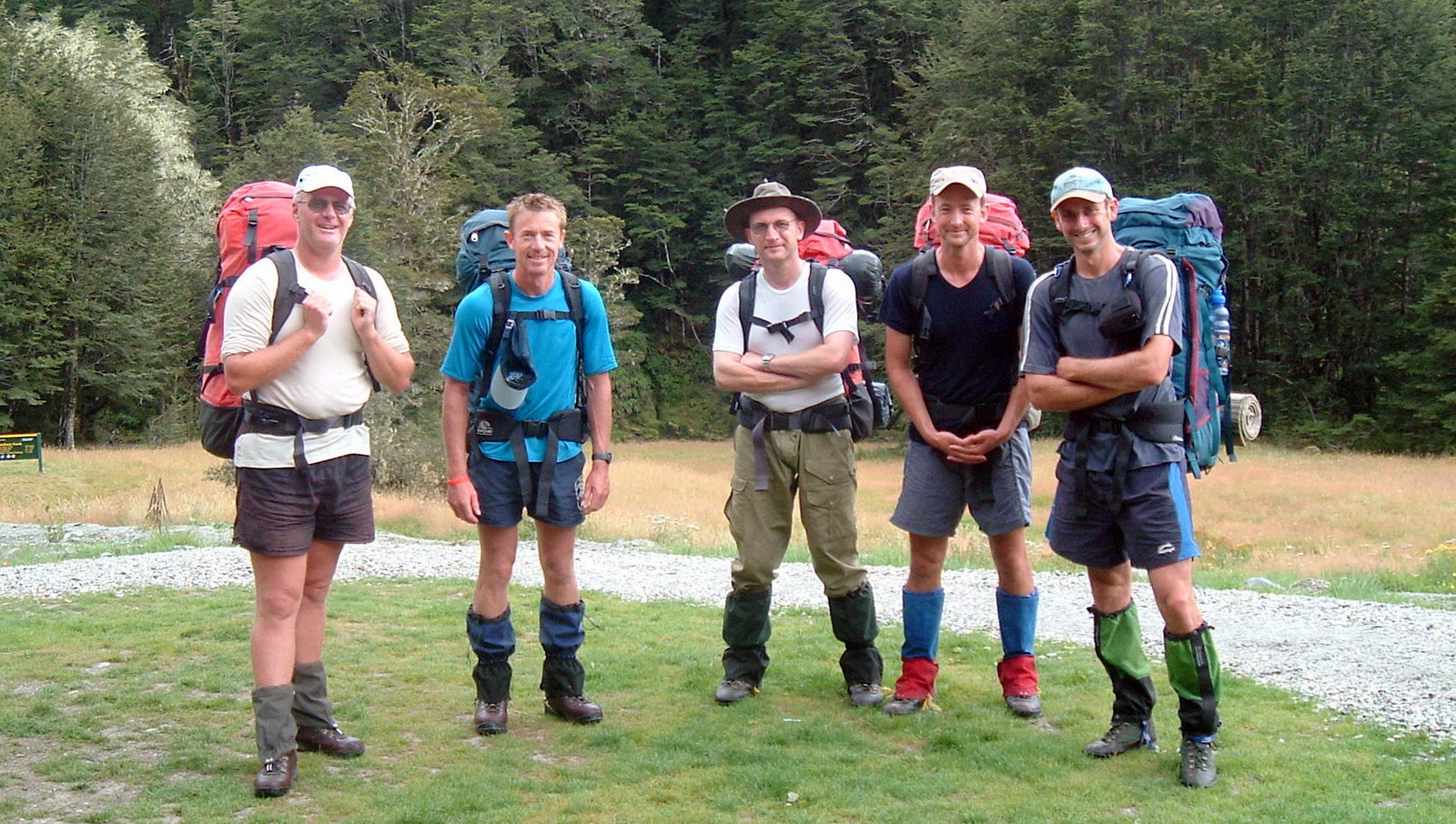
After a night on the floor of Sonya’s pad in Wanaka, we stood together at the start of the Routeburn track. Sonya had again gone above and beyond the call of duty, having driven us the the track, and agreed to collect us at the same spot a few days later. Somehow the bottles of spirits we give her never seem quite enough thanks for the amazing hospitality she shows us.
Moa Hunters at the Routeburn Shelter
Having “Great Walk” status brings a lot of foot traffic to the Routeburn Track. More than we were used to. The Routeburn shelter was fairly busy, so we wasted no time legging it down the track, keen to escape up the side track that would lead us to Sugarloaf Pass.
After an easy twenty minutes walk up the Routeburn, we found the inconspicuously signed side track. Chris noted that DOC are probably keen to keep it that way, to prevent inexperienced trampers accidentally wandering into more difficult terrain, away from the relative safety of the well maintained Routeburn.
The side track climbed sharply and consistently and we were thankful for the short warmup on the Routeburn. It shouldn’t have been a surprise. After all, we were heading for a pass. The track ascended steadily through the beech forest. And so did we. Our first stop was in a small clearing just short of the snow line. The first uphill grunt of the trip deserved a reward, and we all tucked into our scroggin.
Huge views from Sugarloaf Pass
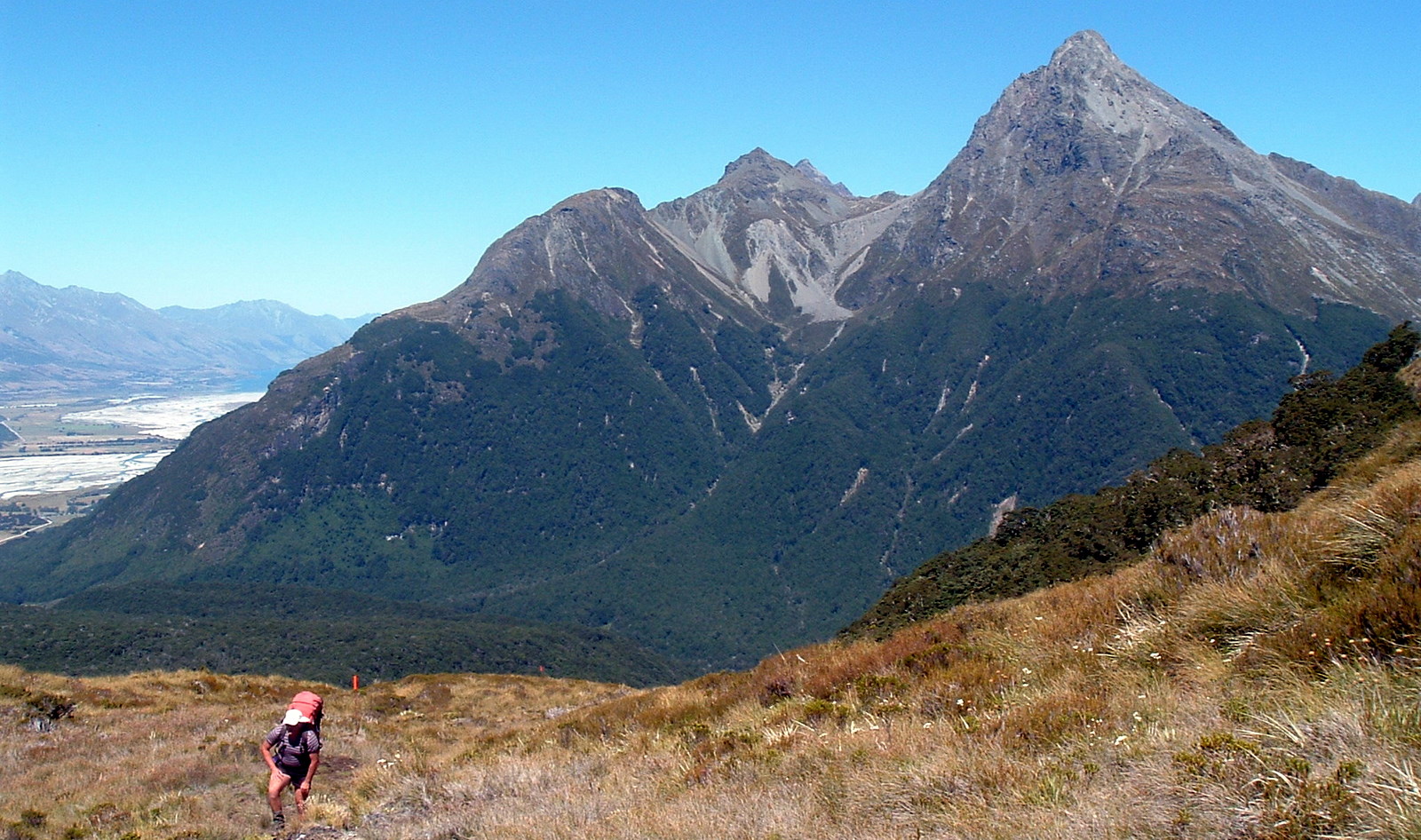
When we cleared the scrubby bush margins into open country, the view was stunning. Looking back towards Glenorchy and Lake Wakatipu, the sky was deep blue and the sheer scale of the vista totally breathtaking. Taking it all in, we all silently acknowledged that this was why we came, and why we will keep putting heavy backpacks on for years to come.
Richard contemplates the Rock Burn
The price of such amazing views was a lack of shelter from the sun. By the time we reached the pass, we were all melting and sweat was pouring off us. Knowing that below us there was a cool beech forest and some respite from the sun, we made quick progress downwards into the Rock Burn valley.
For a short time we enjoyed the relative cool shade of the bush before the track opened out into the more exposed river valley. We wandered for a couple of hours through the lush and occasionally boggy grasslands, eventually reaching a very wide open area – Theatre Flat.
While most of the flat wasn’t suitable for camping due to the tall clumps of tussock and sodden grass in between, we did eventually find a flat grassed area close to the river. We quickly had our two tents pitched and brewed up a pretty damn good feed of curry mince on a gas cooker.
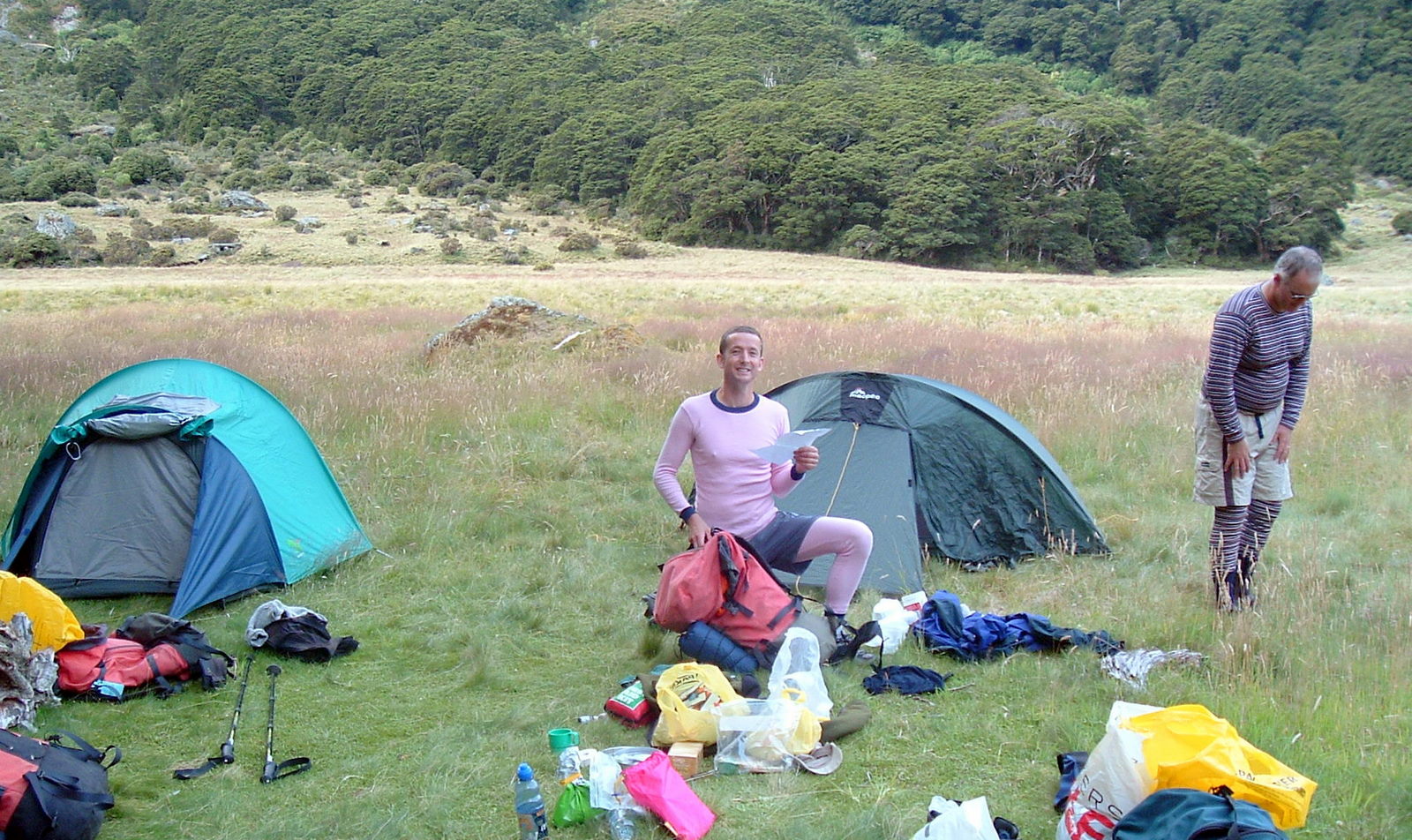
Paul and Chris model the latest in polypro fashion at Theatre Flat
Day 2
Thursday 21st February – Theatre Flat to Lake Nerine
Fortunately the night wasn’t dewy and the next morning we were able to put dry gear and tents into our packs. With our bellies full of porridge (and brown sugar!) we set out for Park Pass. Our day would consist of a fairly solid climb up to the Pass, then an almost 180 degree change of direction, doubling back at high altitude to Lake Nerine. The only gnarly section according to the route guide, would be a sidle across a steep hillslope thick with snow grass. In wet or snowy conditions, the sidle can apparently be quite difficult.
Park Pass
Following a nicely maintained series of cairns we made our way up the valley to Park Pass. Whenever we had the opportunity, we added another rock or two to the less conspicuous cairns. Trampers before us had marked the trail, and maintaining it for others continues a nice tradition. Having a cairn trail benefits all trampers as well as the natural environment. Trampers stick to a single path, get lost less often, and importantly, only trample a thin strip of what is sometimes rare and delicate native flora.
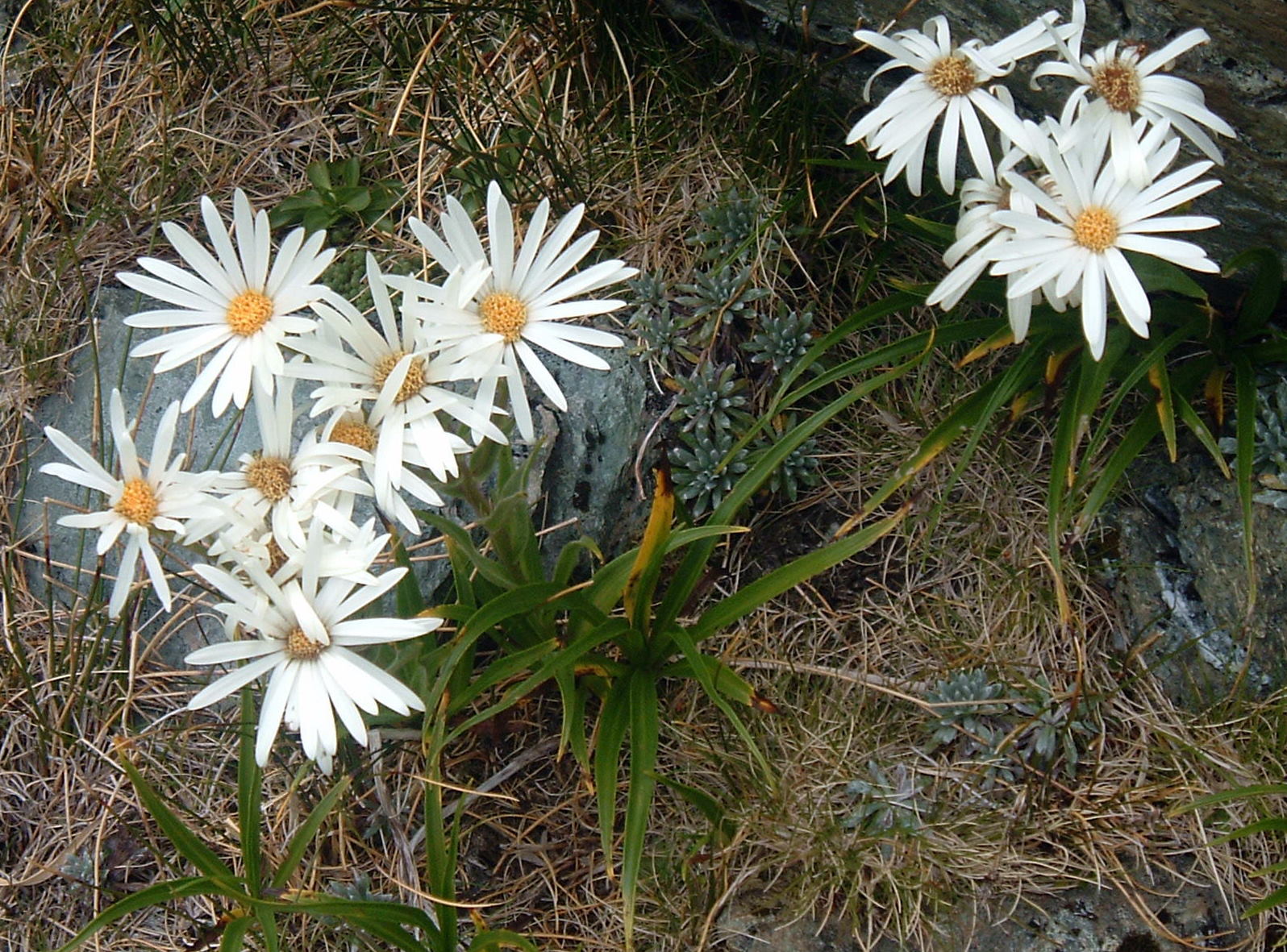
Alpine daisies
We probably worried about the sidle more than we needed to. While it was a steep hillside with plenty of snowgrass, the dry conditions made it a fairly straightforward section of the track. Finding secure places for each boot step wasn’t hard and we scampered across in no time.
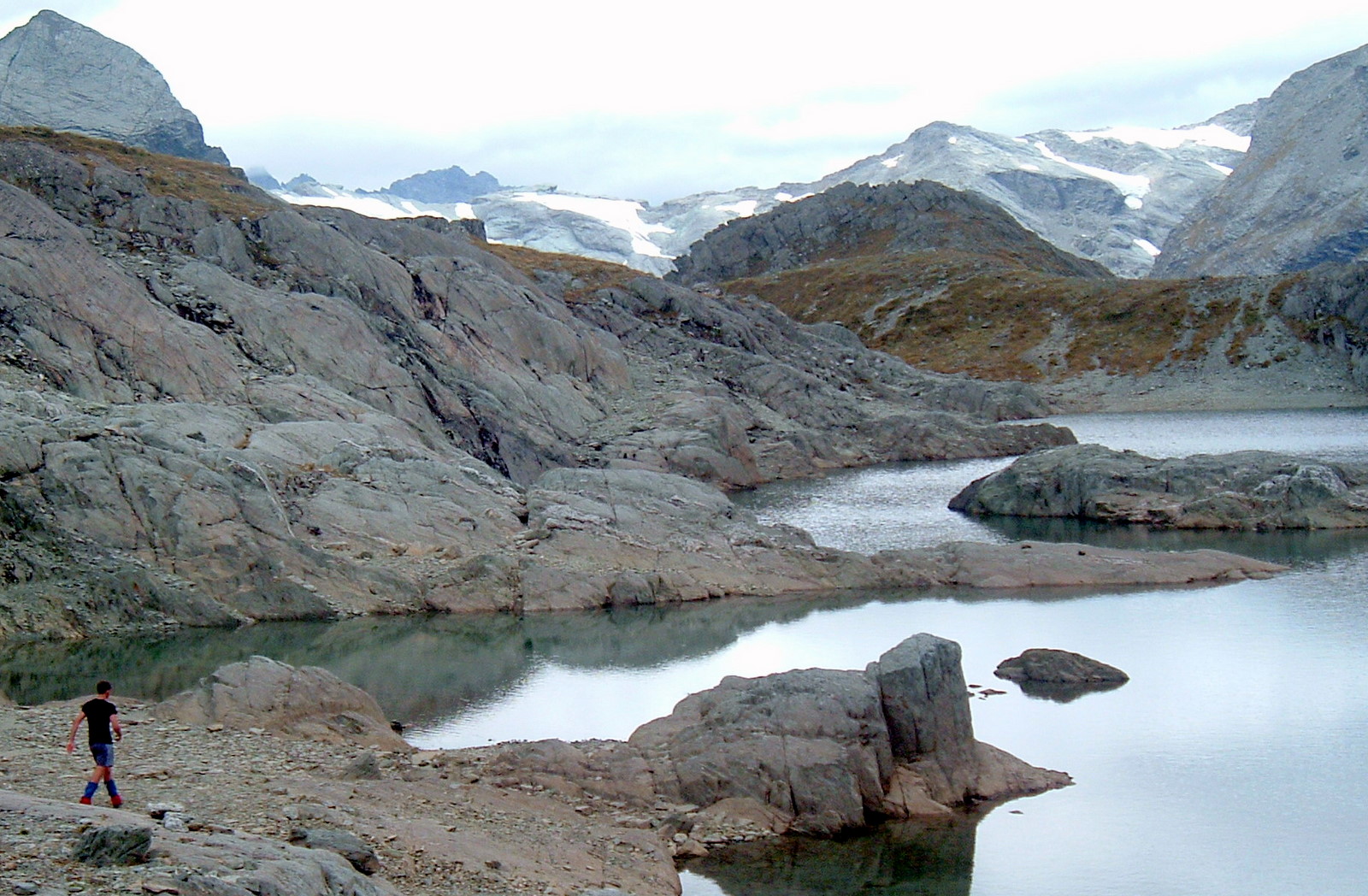
A large tarn near Lake Nerine
Traversing a sharp rocky ridge we steadily gained altitude. It took a little longer than we expected, but we did eventually crest a rise and found ourselves looking down at a the first of two large mountain tarns. Being a bunch of boys, we naturally took our packs off and began skimming stones across the glassy surface. I’m sure my mother would have told me to stop it, immediately! “If everyone does that, there will be no tarn one day.” But we did it anyway – some of us maybe a little guiltily…
Ice near a mountain tarn
The walk from the tarn to Lake Nerine was memorable for the amazing views back down the valley to Theatre Flat where we had camped that night. Seeing where you were and how far you have come is quite rewarding at the end of the day when you are starting to feel a little weary.
Theatre Flat from Lake Nerine
Finding Lake Nerine was easy. Finding a way down to Lake Nerine was harder. Surrounded on all sides by steep rocky slopes, picking a safe route down took a little time.
Looking down on Lake Nerine
Some of us picked our way down, navigating over and between some very large rocks and boulders. Richard and Magnus walked further round the lake and found what was probably the correct way down, via a narrow mostly shingle chute.
Surreal Lake Nerine
Lake Nerine is a surreal sort of place. With very little vegetation, some unusual rock formations and a bleak barrenness, it seems almost like a lunar landscape.
There is really only one place to camp at the lake – a small area of smooth ground with a low rock wall built around it to shelter tents from the prevailing wind. We setup camp in that spot and got busy cooking some food. Being at 1500 metres, the air temperature at the lake drops dramatically as the sun gets low. This effect is exaggerated by the high crags to the West which cut out the late afternoon sunshine. It wasn’t long before we had all pulled on a few extra layers of warm clothes.
Day 3
Friday 22nd February – Lake Nerine to Routeburn North Branch
After a very cool night, we arose to an equally chilly morning, with just a hint of ice on the tent flys. With a delicious feed of hot porridge on our bellies, we packed up camp and stood around pointing. Blokes like us tend to do that. Quite a lot. We were discussing our exit plan from the lake. The guide we were using suggested climbing out via the southernmost notch in the western ridge which flanks the lake (the notches can be seen in the photo above). We were debating which one it might be.
Giant Rock hopping
It turns out we didn’t quite pick the most Southern one, and had to scramble over some extremely large rocks on the other side.
From that point, our guide described traversing the slope, maintaining a 1500 metre altitude, which would take us directly to North Col.
What’s a col, you ask? Well it’s just a pass going by another name. The low point between two peaks.
For a few of us, this became a lesson in how easy it is to lose altitude during a long traverse. By the time we reached North Col, we had drifted some way down the hill, and had a fairly stiff and direct climb up to reach the col.
Loss of altitude can be a subtle and insidious thing. When approaching a large boulder or difficult piece of scrub, the natural tendency is to skirt around below it. Each time you do this, you drop a few metres down the hill. Over a long period, each small descent adds to the last and the total becomes significant. Hats off to Chris and Magnus, who had stuck firm to a much higher route and were at North Col ahead of us.
The top of North Col was a fantastic spot for a break. In particular the view down into Hidden Falls creek and across to Prospector Peak were quite dramatic. The other side of North Col was also more than pleasant. Grassy and sheltered, with the odd alpine tarn.
A reflective tarn near North Col
The descent from North Col took us down a steepish valley into the upper catchment area of the Route Burn North Branch.
The day was getting warmer, and by lunchtime we had descended into the sunny valley below. We found a very comfortable grassy slope to grab some lunch. Dragonflies buzzed about and we all felt very lazy. Lying back on the soft grass between tussocks, it was easy to doze off for a few minutes.
Dropping down to the Route Burn
We did eventually wrench ourselves off the hill and proceeded down the track, which steadily leveled off into the grassy river valley of the Route Burn river.
In the wide grassy flats at the confluence of the North and Left branches of the Routeburn lies the Routeburn Flats hut. While we could have reached it that day, we agreed that we were battle hardened tramping hardmen and that tents were more than adequate accommodation. In 2008, huts were for sissys.
Finding a good spot for our tents proved a little bit of a challenge. The open expanses of the valley were mostly boggy and uneven. Ahead in the middle of the grassy flats we spied what appeared to be an “island” of Manuka trees and bush which looked promising. It was clear we weren’t the first to think along those lines. On the river side of the elevated bush covered island was a clear grassy flat which had obviously been used as a campsite many times before. We dumped our packs and put the tents up.
For this night Chris had an extra special culinary treat for us all. At Lake Nerine he had quickly added some water and oil to a pre-prepared flour and yeast mix and kneaded it into a dough. This was placed into a billy, which was subsequently placed in a warm spot in his pack to rise throughout the day.
We gathered some dry twigs and branches and lit ourselves a cheerful bonfire in a spot often used for fires, judging by the blackened rocks there.
Smoke signals in the Routeburn Valley
This is when the magic began. Chris carefully divided the dough and shaped it into flat saucers. On a frypan over the bonfire he then proceeded to cook up a stunning naan bread selection. Scooping up mouthfuls of a more than slightly fiery curry mince on the naan bread was a satisfying end to an excellent days walking. As dusk fell, a light drizzle which had been threatening for the last hour or two began to fall. We extinguished our fire and crawled into the tents.
Day 4
Saturday 23rd February – Routeburn North Branch to road end
Mmmm… Delicious freeze dried slops.
The following morning dawned a little damp. We opted to pack up our gear and head somewhere drier for breakfast. Walking past the Routeburn Flats Hut which looked extremely busy with people and tents dotted all about it, we eventually stopped under a large tree on the Routeburn track.
Richard had been carrying some interesting sounding freeze dried meals with him for the past few tramping trips which he was keen to be rid of. He suggested we heat some for breakfast. Yummy. Freeze dried bacon and eggs, mixed with freeze dried beans, and some freeze dried other stuff. Allegedly macaroni cheese.
We heated them together in a large billy, with Magnus standing to one side looking extremely skeptical. And justifiably so. Things turned rather pear shaped. The freeze dried food didn’t get enough time to rehydrate properly. Mixing them together created an unholy looking bucket of slops. It tasted extremely bland. To cap it off, the beans remained firm on the outside, and dry and powdery inside. Like little dust bombs. We had somehow managed to followup one of the most triumphant tramping meals ever with possibly the most disastrous ever. It was hard to eat not only because it was so terrible, but also because we were all laughing so much.
From our breakfast tree the walk to the Routeburn Shelter was a short one. We made it to the road and were picked up by Sonya who drove us back to Wanaka. We hadn’t showered for days and she uttered not one word of judgment. What a gal.
Later at Sonya’s house, Paul mentioned to her just how dry parts of the track seemed with all the recent hot weather. Sonya agreed, noting that there was a complete fire ban in place for Mt Aspiring National Park. “You didn’t light any fires, did you?” she asked. We exchanged glances. “err, no. of course not…” *gulp*
Moa Hunters on this trip: Chris, Paul, Magnus, Adam, Richard
We had intended to walk this route in 2008… right up until a rather large and rather inconsiderate landslide plunged into the north branch of the Young River, creating a significant dam. Behind which formed a significant lake. Both of which made the Dept of Conservation so nervous that they closed the Young Valley track indefinitely. Late in 2008, the natural dam hadn’t disintegrated, people hadn’t died, and the Valley was opened again.
Our itinerary:
Day 1: Jetboat trip to start of Young Valley track. Walk up the Young Valley to the Young Hut. Day 2: Cross from Young Valley to Siberia valley via Gillespie Pass. Possible sidetrip to Crucible Lake. Stay night at Siberia Hut Day 3: Siberia Hut to Kerin Forks Hut Day 4: Kerin Forks Hut to Top Forks Hut Day 5: Top Forks Hut over Rabbit Pass to Ruth Flat rock biv Day 6: Ruth Flat to Road End
Google Earth flyover of the approximate Rabbit Pass route
Sonya of Wanaka is an amazing gal. She lets Moa Hunters sleep on her lounge floor. She drives them to the start of the track. She picks them up at the end of the track. She never mentions they smell worse than a rugby club changing shed. Sonya, the Moa Hunters agree you are simply the best.
Day 1
Sunday 22nd February – Young Valley track start to Young Hut.
Sunday morning looked good in Wanaka. High overcast skies and a mild temperature. Sonya was right though. At Makarora, the start of our tramp, it was pissing down. We negotiated a deal with the local jetboat operator and after a short wait, were transported at a great rate of knots up the Makarora river to the start of the Young Valley track. Interesting fact: In heavy rain it takes about four seconds in a speeding jet boat to become completely soaked.
Wet packs lined up at the Young Hut
The Young Valley track winds through Beech forest, climbing steadily. On a nice day it would be a very pleasant walk. Unfortunately Sunday 22nd February wasn’t such a day. Generally the first few hours of persistent rain can be shrugged off. But by mid afternoon we had all pretty much had enough of it. We don’t mind getting rained on in particular. After all, once you are wet, you are wet. What the rain does do though, is isolate you. With a jacket hood up your peripheral vision is reduced. The constant pattering sound of rain on it makes conversation difficult. Sharing a joke, pointing out interesting features, or sharing idle chatter isn’t easy.
Reaching the Young Hut earlier than expected was a pleasant relief. The newly built hut isn’t as far up the valley as the original one which was marked on our map. The chance to ditch jackets, have a laugh and relax after a very damp day of walking was most welcome.
We were all impressed with the new hut. Nice design feautures like insect screens on the windows and flush door jambs show that DOC are still refining their back country hut construction.
Day 2
Monday 23rd February – Young hut to Siberia Hut
A misty and wet Young Valley
Mist still clung to the surrounding hills the following morning. Rain was falling, perhaps a little less heavily than the day before. It wasn’t quite the day we had hoped for, but we all felt refreshed after a comfortable night, with the very large hut all to ourselves. We were keen to get moving.
Gillespie Pass awaited us. At 1501 metres above sea level, it would be a significant climb. Throughout the morning we gained altitude steadily with the track being generally very walkable. It rained off and on but not continuously. The chance to pull our jacket hoods back from time to time, tell tall stories and generally talk bollocks made time pass quicker.
As we closed in on the top of Gillespies Pass, the temperature dropped markedly. We stopped only very briefly at the top to pull on an extra layer or two of clothing. It was very cold and there was definitely sleet among the heavy rain drops. Chris pulled out a bag of Cookie Time cookies from his pack and we munched gratefully on one each as we descended from the pass into the Siberia valley.
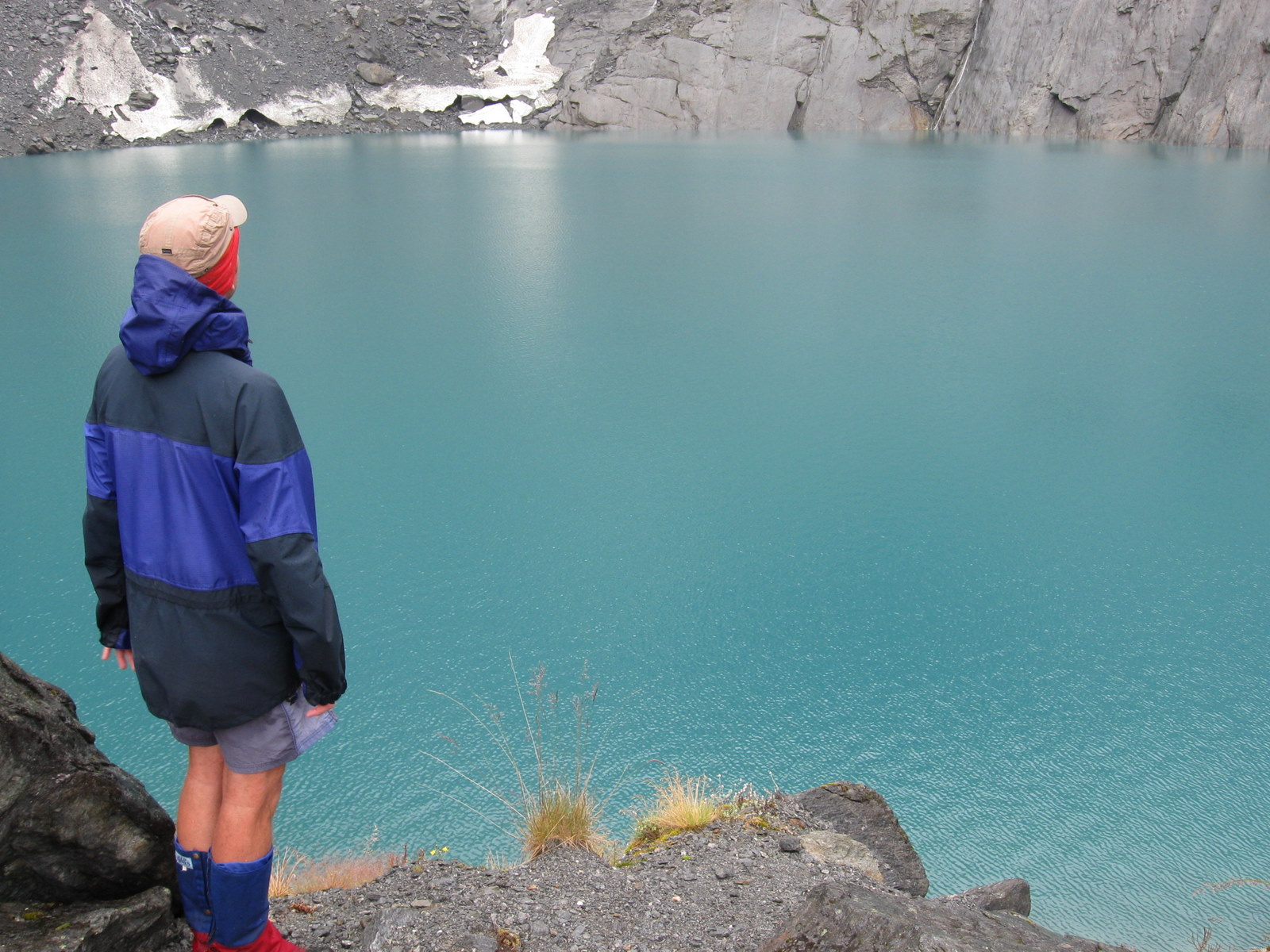
Reaching the bottom we had a quick discussion. Crucible Lake lay to the West – a worthwhile side trip, according to Sonya. It was agreed we would do it, without our packs. Walking without all that extra weight on our backs felt awesome, and we made good time up the valley to the lake. It was indeed a worthwhile diversion. The circular lake lies behind the terminal moraine rubble of a glacier which hangs high above the lake at the top of a cliff. Apparently in winter there are often large chunks of ice floating in the lake. A fact that wasn’t hard to believe on the day we were there!
Crucible Lake
When we reached our packs again we had been walking more than ten hours. There was at least two hours walk ahead to the Siberia Hut. Carrying the packs again. At least the rain had cleared. It would be fair to say we were all totally and utterly knackered when we finally reached our destination.
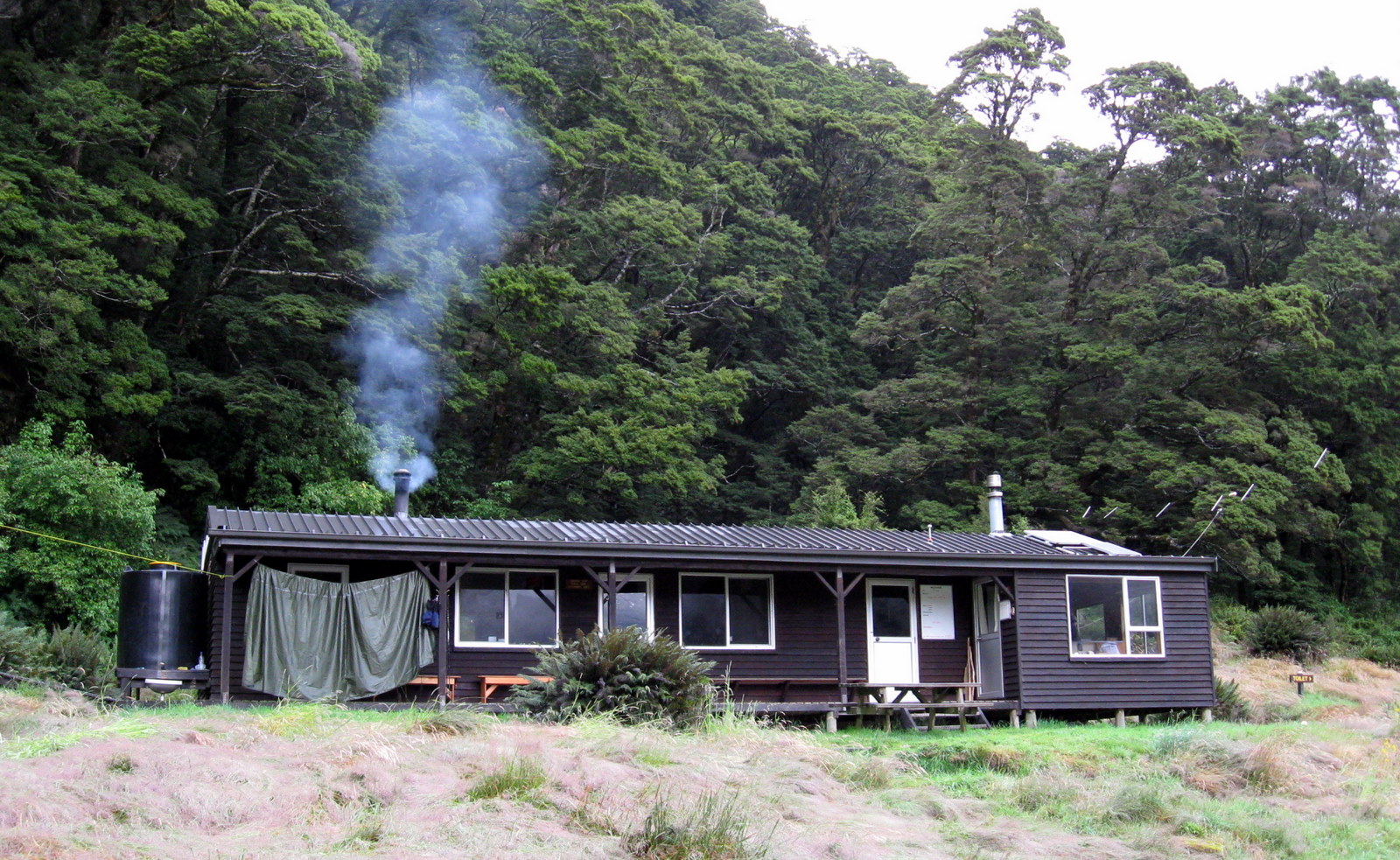
The Siberia Hut
It was at the Siberia Hut we met a rather unique DOC Hut Warden. Dove was his name. From Israel, pacifist and vegetarian, he was far from a typical warden. We immediately liked him and we think he liked us. According to Sonya he practices transcendental meditation… often naked, near the huts! To put his pacifism into perspective, killing sandflies was something he did do. But he felt guilty about it. We spent a nice evening chatting to him while stretching our aching leg muscles.
Day 3
Tuesday 24th February – Siberia Hut to Kerin Forks Hut
The following day we had a short walk to the Kerin Forks Hut. Almost embarrassingly short. Along a veritable highway. It turns out the Siberia Valley is a tourist destination, with regular light plane flights landing on the grass airstrip not far from the Hut. Tourists fly in, walk between the huts, and get a jetboat ride out. Consequently, the track between the huts is well maintained, beautifully graded and smooth. Dove walked some way with us to greet a group of tourists who had just arrived in a yellow Cessna. We bid him Shalom and moseyed along the track.
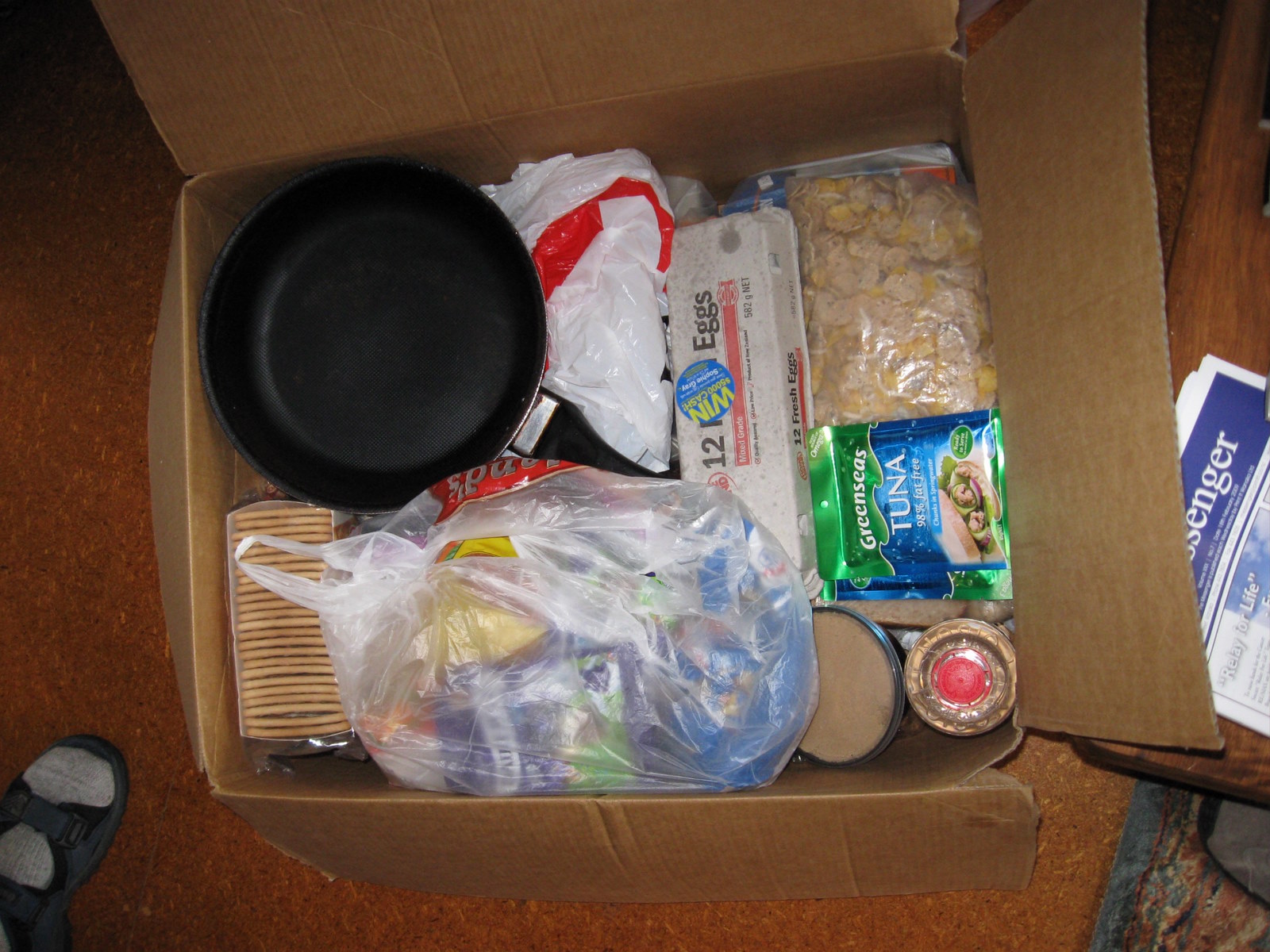
A double treat awaited us near the Kerin Forks hut. Not only had we only walked for three hours, we had also arranged for a jetboat ride across the river. Crossing to the hut would have been tricky given the river conditions. The boat arrived on time, dropping us on the hut side of the river along with our big box of goodies. Bacon, eggs, and other luxuries! Almost worth the extortionate fee the jetboat guy charged us for the 15 second ride across the river.
Extra supplies. Mmmmmm bacon!
In case you are wondering, no we didn’t carry that frying pan out. It is still at the Kerin Forks Hut.
Probably the most notable event at Kerin Forks was an astounding night of exhibition snoring. A group of four women were also at the hut. They were very polite and put up with our mess and noise as we settled in. That night shortly after we had all wriggled into our sleeping bags, a most incredible noise began. One of the women, lying on her back we presumed, began to snore. The kind of sound that a Stihl chainsaw with a 29″ bar would produce. Thunderous, snorting , snarling and rumbling. We suspect she may have damaged the hut with the incredible din she produced.
Day 4
Wednesday 25th February – Kerin Forks Hut to Top Forks Hut
The next morning we packed up and wandered out into the Wilkin valley, our legs quickly soaked by the long dew covered grass. It was a nice day. Little wind, no rain and pleasant temperatures. The valley was idyllic. Most notably Jumboland – an area Paul had been looking forward to reaching, just for its name! Apparently Jumbo was a very large horse a farmer brought into the valley to work for him. Jumbo lived out his days in that valley.
After a good days walk, we reached the Top Forks Hut, our last stop before tackling Rabbit Pass. The hut was busy, but not full. Situated where two river valleys meet and surrounded by mountains, most notably Mount Pollux, the setting was spectacular. Even the long drop had incredible views.
Mount Pollux from the longdrop
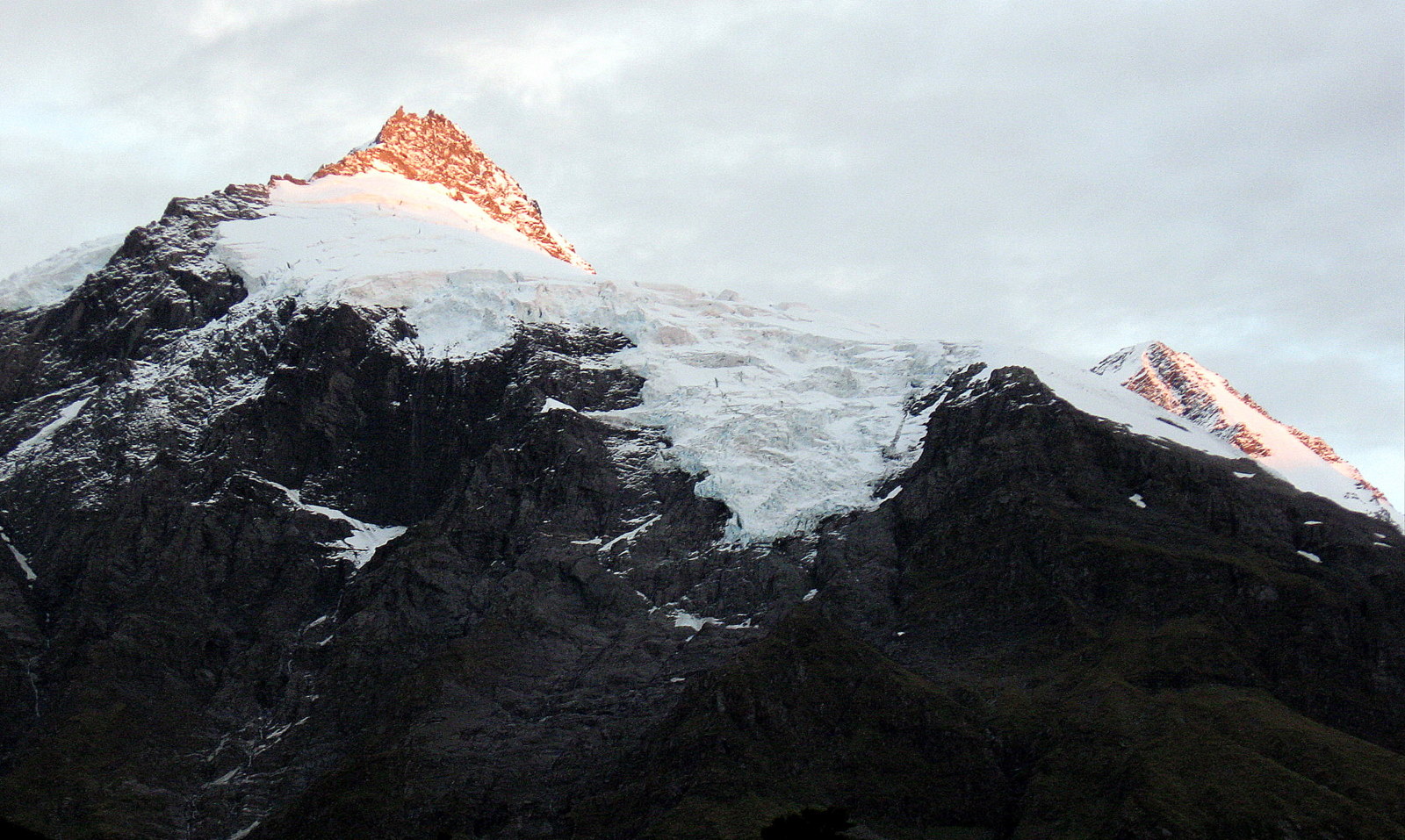
Mount Pollux catches the morning sunrise
To reach Rabbit Pass, you must first make a difficult climb up what is known as the Waterfall Face. An extremely steep grassy face which should only be attempted in dry weather conditions. The weather report for the next day mentioned rain after lunch. So we planned to rise with the sun and hit the track as early as possible to reach the pass before any rain.
Day 5
Thursday 26th February – Top Forks Hut to Rabbit Pass to Ruth Flat rock biv
We rose early, ate our traditional porridge with generous amounts of brown sugar on top, packed up with minimal clattering of billies , and set off.
Shortly before 11am we reached the Waterfall face. It looked a little daunting from below. As we stood in a group munching on scroggin, we debated the route up. We could see the first few marker poles, but not a clear route to the top.
The waterfall face
We took a few deep breaths and started out, following the markers up the face. It didn’t take us long at all to make our first mistake. Heading left instead of right, we followed a false trail. Continuing up wasn’t possible, and retracing our steps down was not easy.
Chris, having chosen a different (also wrong) route below us, suddenly slipped on loose rock. Instantly he was sliding out of control on his side down a steep rocky chute. Very fortunately he came to a halt some metres below, where the slope leveled out. It was a scary and sobering moment. He had been lucky. Elsewhere on the face, such a slip could have resulted in a significant fall and almost certain serious injury.
It was time to take stock and proceed with a lot more thought. We regrouped and this time were careful to find the correct route before charging forward. Richard discovered the poled route, and we moved up slowly but more surely.
The grassy face was incredibly steep. Not vertical, but close to it. Chris was clearly shaken by his fall, and all our hearts were pounding as we picked our way to the top. The last few metres were particularly challenging, following a very narrow series of footholds above a sheer and steep rocky face. I still remember Chris exclaiming upon reaching the top, “What the f*ck are we doing coming up here?!” No-one answered.
Descending the shattered rock below Rabbit Pass
The climb has been rated a 9.9 on the Moa Hunter’s sphincter scale, a notch above Browning (Brown Trousers) Pass. Chris is sure his was clenched so tight during the ascent that it was two days before he could fart again.
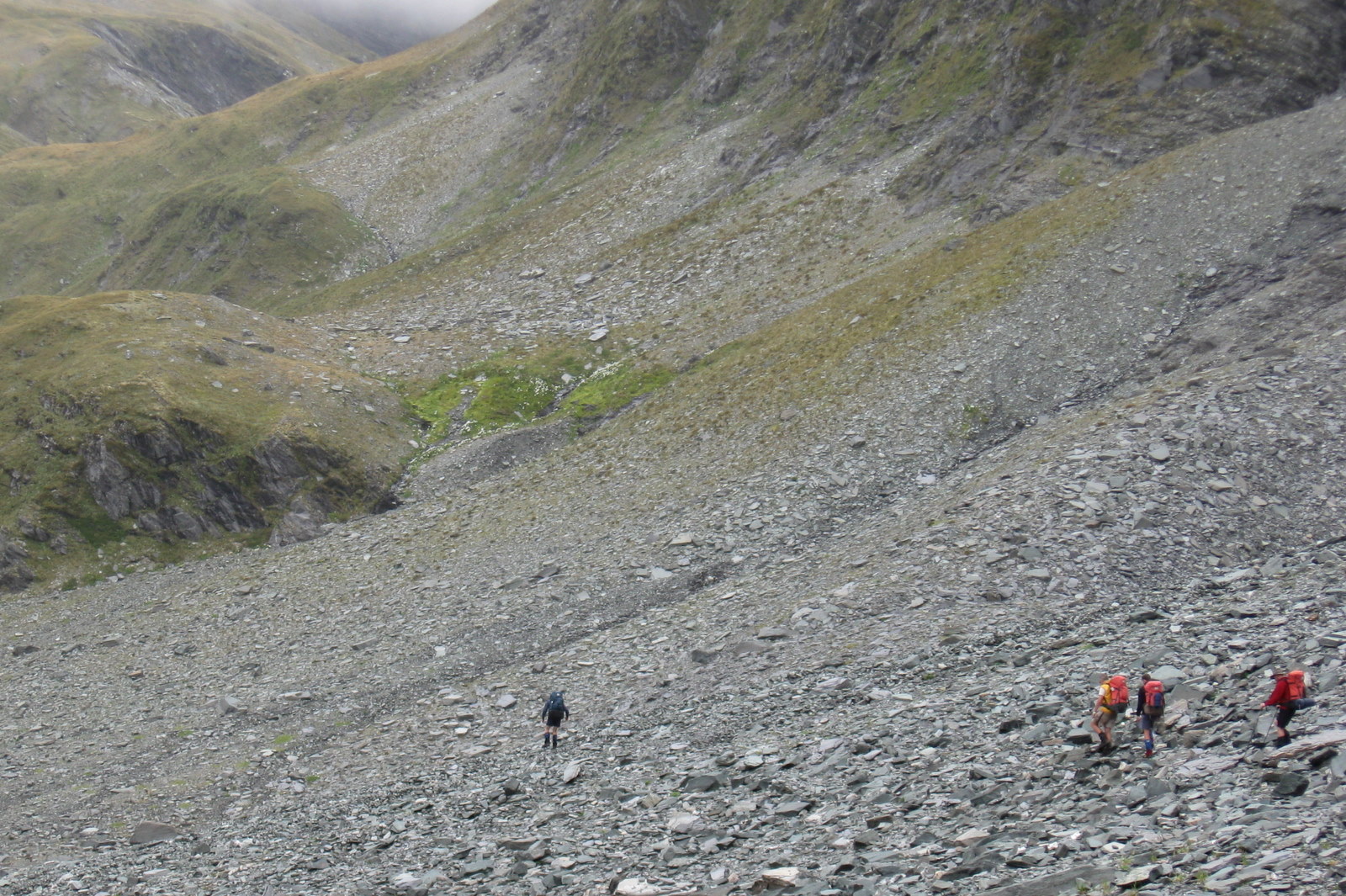
Getting down the other side of the pass was gnarly too, but considerably lower on the Sphincter Scale than the waterfall face. A steep climb down a rocky gut led us out onto an expanse of shattered rock. We picked our way down it on a fairly well trod path into a grassy valley.
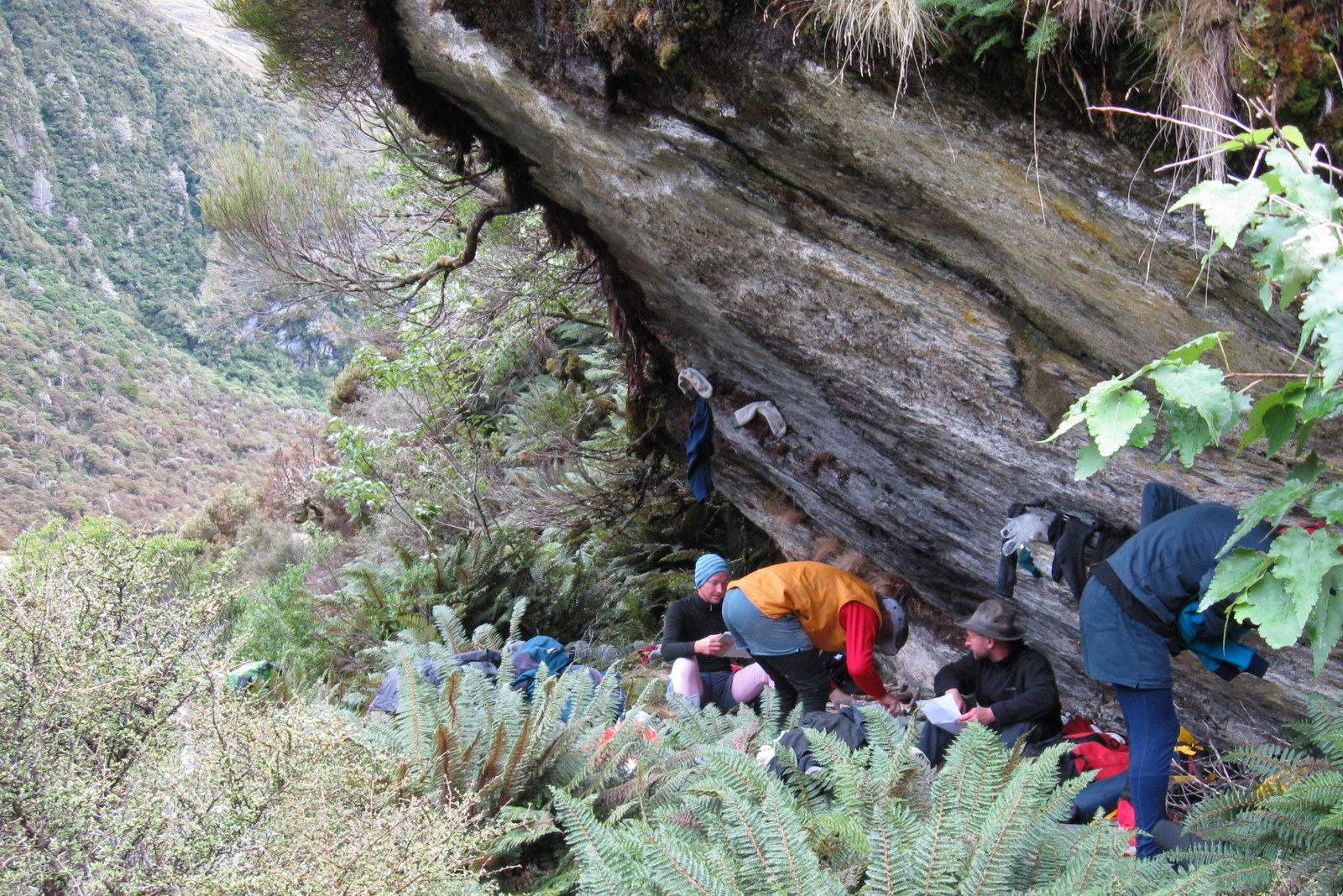
Following the valley we descended rapidly until we reached the river flats where the terrain became more placid and the walking more even. Ruth Flat wasn’t far ahead, and we had numerous stops studying a topo map to determine exactly where the rock bivvy we planned to spend the night at was. After a couple of false positives, we found the genuine article. An impressively large rock shelter with a resident sandfly population of approximately 403 billion. All hungry.
The Ruth Flat rock biv
Enormous quantities of Paul’s possibly radioactive, certainly diesel infused, super tropical strength insect repellent were used right up until night fell. Chris chose to sleep under a nylon fly which gave us all a little more space to wriggle.
Day 6
Friday 27th February – Ruth Flat to Road End
Blue skies greeted us the following morning. We packed up at a leisurely pace following our standard breakfast fare and wandered out of Ruth Flat, following the Matukituki East Branch toward road end. The only significant feature between us and that destination – the Bledisloe Gorge.
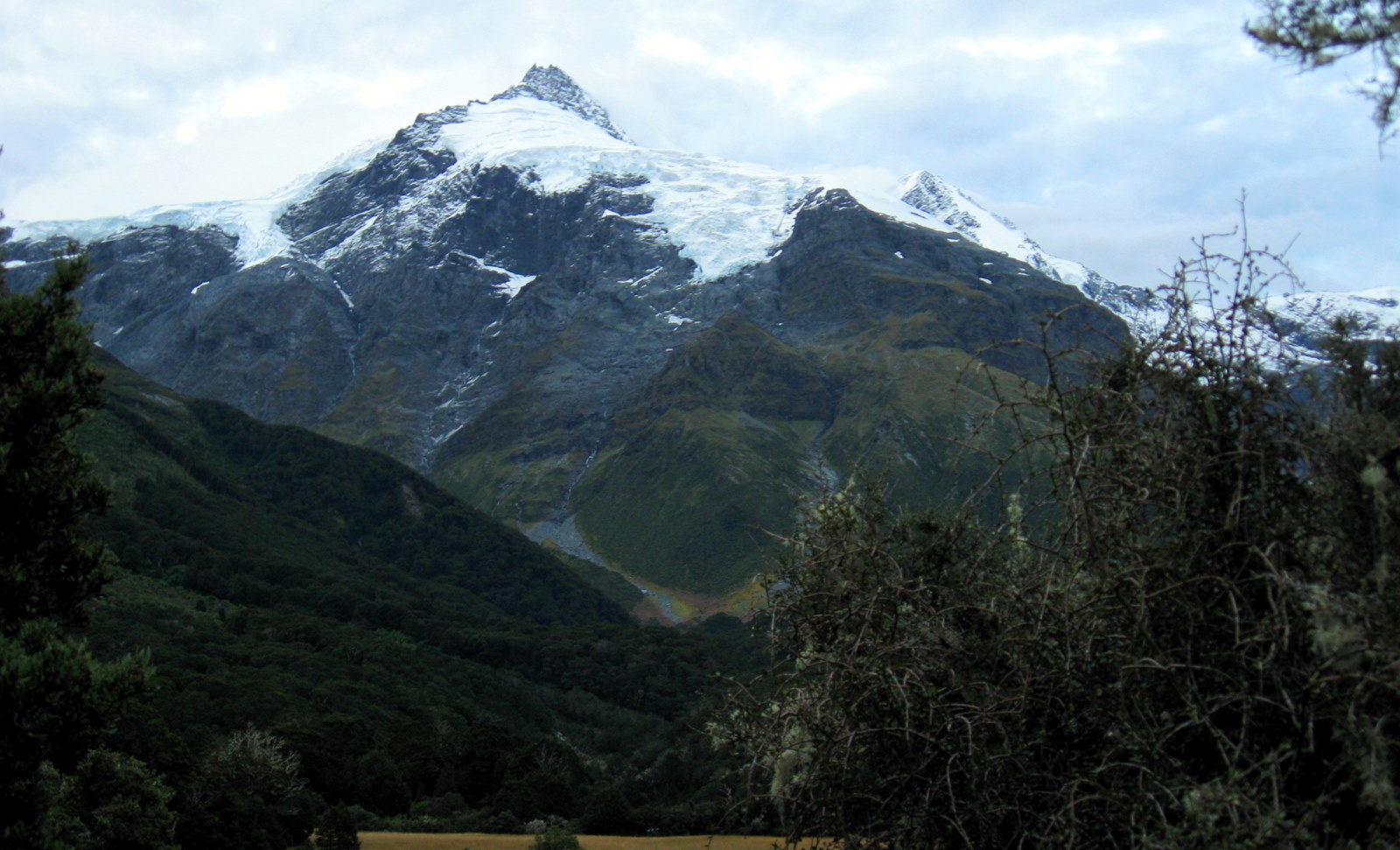
After grunting and sweating up the side of a steep bluff for more than an hour, we understood why Sonya referred to it as the Bloodyslow Gorge. That said, the exertions were well worth it. After many trips into the area, we finally got a clear view of Mt Aspiring. A breathtaking sight.
Awesome Mt Aspiring and friends
Swingbridge across the Matukituki
The descent down the Bledisloe Gorge was just as steep as the climb. Not nice for those of us who dislike descents, especially on the last day of a walk!
A couple of hours later we hit road end. It had been an excellent expedition. All kinds of weather, danger, surprises. Something for everyone.
Moa Hunters on this trip: Magnus, Richard, Adam, Chris, Paul
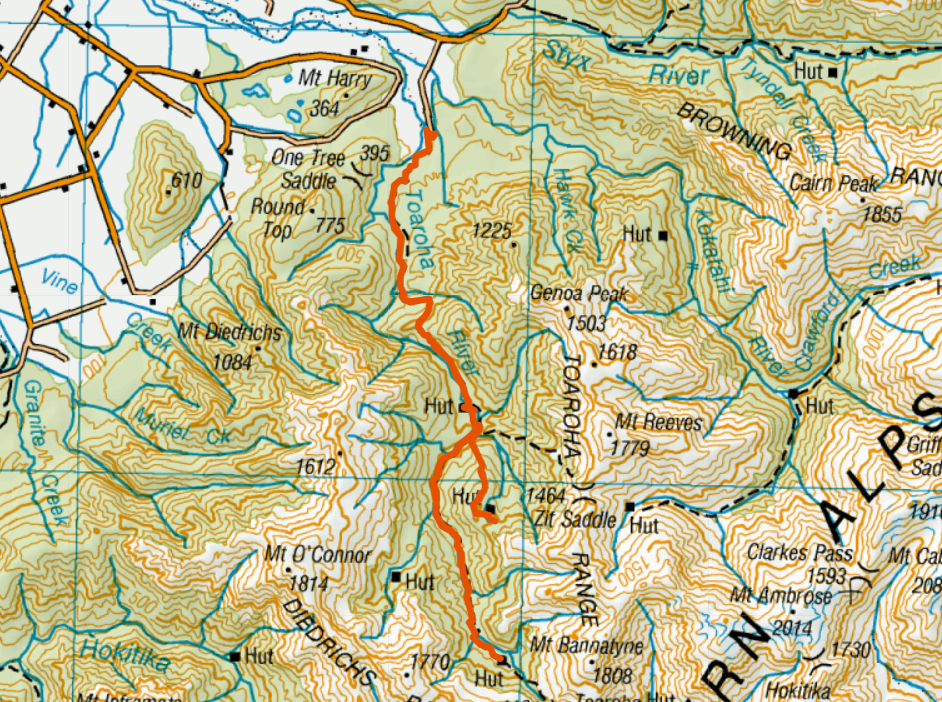
After three trips to the Mt Aspiring National Park, we agreed to head out west rather than south for a change. Magnus has a property in Kowhitirangi, just inland from Hokitika on the West Coast. He proposed we do a little walk up the Toaroha river in search of New Zealand’s most remote hot spring – on the curiously named Mungo river. it all sounded very enticing. After all, what could be better than a soak in natural hotsprings after a hard day slogging up hill and down dale with a heavy backpack?
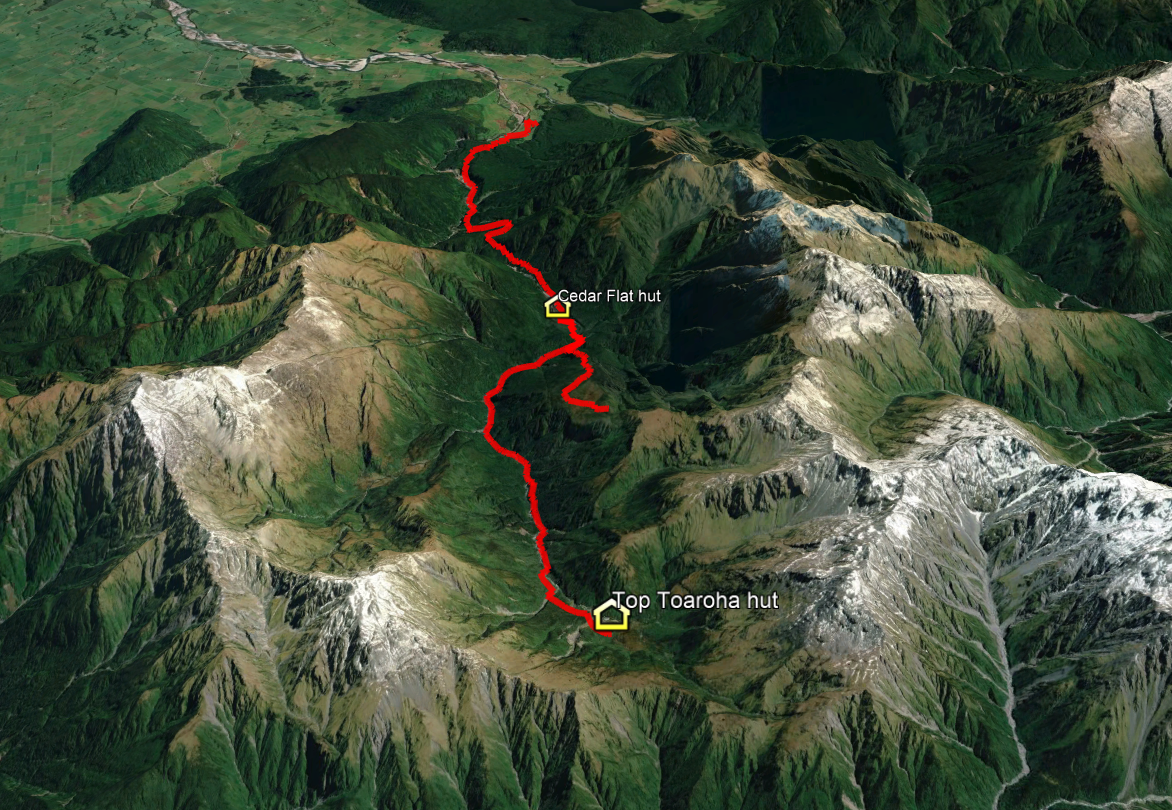
Our intended itinerary was to walk into the Mungo hut and nearby hot pools via Cedar Flat hut, Poet hut and out through Frew hut to the Hokitika gorge.
However, due to weather and illness, things did not go to plan at all. This is what we ended up doing:
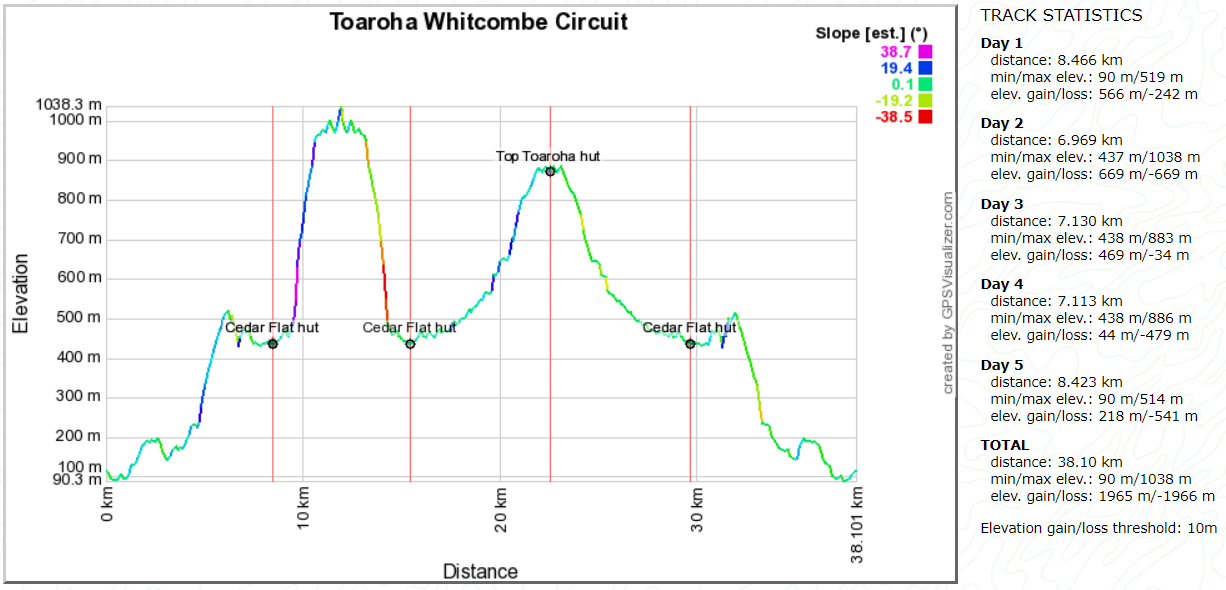
Day 1: Toaroha Road End to Cedar Flat Hut and Wren Creek hot pools. Day 2: Cedar Flat hut to Yeats ridge and back to Cedar Flat hut. Day 3: Cedar Flat to Top Toaroha hut. Day 4: Top Toaroha hut to Cedar Flat hut. Day 5: Cedar Flat hut to road end.
The extended forecast looked reasonable, with north-westerly winds only forecast on the day we planned to walk out. For those unfamiliar with the West Coast of New Zealand, wind from the north-west can dump colossal amounts of rain over there. Humid air moving in from the Tasman Sea rises as it meets the Southern Alps. The moisture laden air cools rapidly, the water condenses, and it hoses down. Rapid Creek holds the New Zealand 24hr rainfall record – a staggering 674mm. And yes, it is part of the route above!
Day 1
Saturday 20th February – Walk to Cedar Flat hut
Everything went to plan, and by Saturday lunchtime we had picked up Richard from Hokitika airport and were at the start of the track. Having flown from Auckland that morning, Richard noted how surreal it was that just a few hours after leaving the city, he was standing at the edge of some truly spectacular west coast bush.
Start of the track
The walk up the Toaroha river to the Cedar Flat Huts was a fairly straightforward mix of rockhopping and trailwalking. Nothing too steep or strenuous. But plenty of mud. Sections of the track were extremely boggy and care was needed not to go knee deep in sticky gloop.
Cedar Flat Hut
Because the huts are an easy day walk with the added attraction of hot pools, they are a popular destination for weekend walkers. And we were there on the weekend. Consequently sleeping spots were at a premium, with both huts quickly filled to capacity and an array of tents dotted about outside.
At this point we should give kudos to Richard. Not only had he just arrived at Hokitika the morning of the tramp, he had in fact only just arrived back in New Zealand from a stint in South Africa. Suffering from jetlag and general tiredness, he put in what Colin Meads would describe as a gutsy effort.
Probably the most intriguing arrivals at the huts was a trio of ill-equipped looking youngsters. A young bloke, and two young lasses. Naturally we all asked ourselves what he’s got that we don’t. Apart from youth and good looks. All three were covered in mud, from their lightweight running shoes to the top of their heads. It turns out one of the girls slipped, grabbed the bloke, and all three ended up lying in the mud. They had a few small backpacks containing bugger all, except cans of beans… for dinner. And a bottle of something strong… for later.
The hot pools were excellent, and the five Moa Hunters enjoyed a nice long soak. Perhaps though, not as much as the young fella did later, with his bikini-clad friends and the bottle of grog. We heard them stagger back from the pools well after dark, and plop down giggling onto their makeshift beds on the hut floor.
Day 2
Sunday 21st February – Cedar Flat hut to Yeats ridgeline and back
Yeats Hut
On paper, day two was an ambitious one. The plan was to walk a fairly well marked track to Yeats Hut. From there we would follow a series of ridges, ultimately dropping into the fabled Mungo Valley, home of Mungo hut and the Mungo hotsprings. Getting to Yeats hut took a little longer than we expected. On arrival we had a short break, stretching out on the hut bunks. Richard promptly fell asleep – very unlike him, and a sure sign his trip to South Africa was catching up with him!
Ascending the first ridge, we quickly ran into trouble. Low cloud drifted in, visibility dropped dramatically and before we knew it we were considerably lower than we wanted to be. Bush bashing our way up to the ridge was no fun at all. Vicious Spaniard grass spikes left us all more perforated than pin cushions. Thick bush and flax made going tough and progress was slow.
Paul called a halt. We looked at each other and knew we all had the same thought. It was agreed that proceeding up was risky in the conditions. We knew the ridgelines ahead were not straightforward. Navigating in the murky conditions was going to be very difficult, and none of us fancied being stuck out on the tops overnight if we became disoriented. While we had emergency shelter with us, we didn’t have tents.
It was a long and slightly disappointing trudge back along the track we had come up earlier that day. On the bright side, the Cedar Flats hot pools would be there when we got back, and another hot soak in them would be most pleasant.
Misty Yeats Ridge
By evening Chris was feeling ambitious and intrepid. So much so that he embarked on a cooking odyssey never before seen at the Cedar Flat Huts. And the result?
Chris bakes a wonderful Chocolate cake
A magnificent chocolate cake baked to perfection in Chris’s newly constructed camp cooker oven. And with icing too. An absolutely outstanding effort, Chris! Washed down with a generous tot of port, it was a little slice of heaven.
Day 3
Monday 22nd February – Cedar Flat hut to top Toaroha hut
Next morning, refreshed after a soak in the pools and a good nights sleep, we contemplated a new day. The Yeats route had beaten us, but a route past the Top Toaroha Hut and down to Poet Hut looked easier. On the map at least.
Not so on the trail it turned out… Slippery rocks, slimy roots, difficult banks and steep ascents made for slow going. Chris was feeling far from 100% and Richard was still battling jetlag. We reached the top Toaroha Hut mid afternoon and Chris declared he was utterly buggered. He looked it too. Possibly a mild case of the bubonic plague or the black death. Not long after he had crawled into a sleeping bag to convalesce, Richard had dozed off too. It was clear we were going no further that day. That said, there are a lot worse spots on the planet to stop. The river beside the hut was crystal clear, and the views up the valley spectacular.
The river below the top Toaroha Hut is magnificent.
Top Toaroha Hut
By day three, Moa Hunters are typically starting to smell a little pungent. Not something that usually bothers us. But when Adam discovered a cake of “girly soap” at the hut, it became a hot item. Shirts and bodies were washed with it in the river, and in no time at all the Moa Hunters smelled like bouquets of flowers. A result we weren’t entirely comfortable with. How would we explain our rather feminine fragrance if we should happen upon some gnarly Coasters on the trail?! Not an easy proposition.
We spent the evening and following morning discussing how to proceed. Two days in a row we had fallen short of our goal. We really had made bugger all progress. Pushing on was going to be difficult, and given Chris was still below par, the decision was fairly obvious. We would have to turn back and walk out the way we came in.
A chilly river crossing
Day 4
Tuesday 23rd February – Top Toaroha hut to Cedar Flat hut
Richard by this time had shaken off his jetlag and had the usual spring back in his step. The walk down to Cedar Flat was brisk and relatively uneventful. We did however meet a couple of Dept of Conservation blokes doing some maintenance on a swing bridge close to Cedar Flat Huts. They were decent West Coast types. Rough, practical and friendly. One talkative, one the silent type. They were staying in the larger of the two Huts, but offered us an easy cuppa on their fancy gas burner, and some real milk. Luxuries they get choppered in for their work details. We spent the evening chatting to them and amongst ourselves.
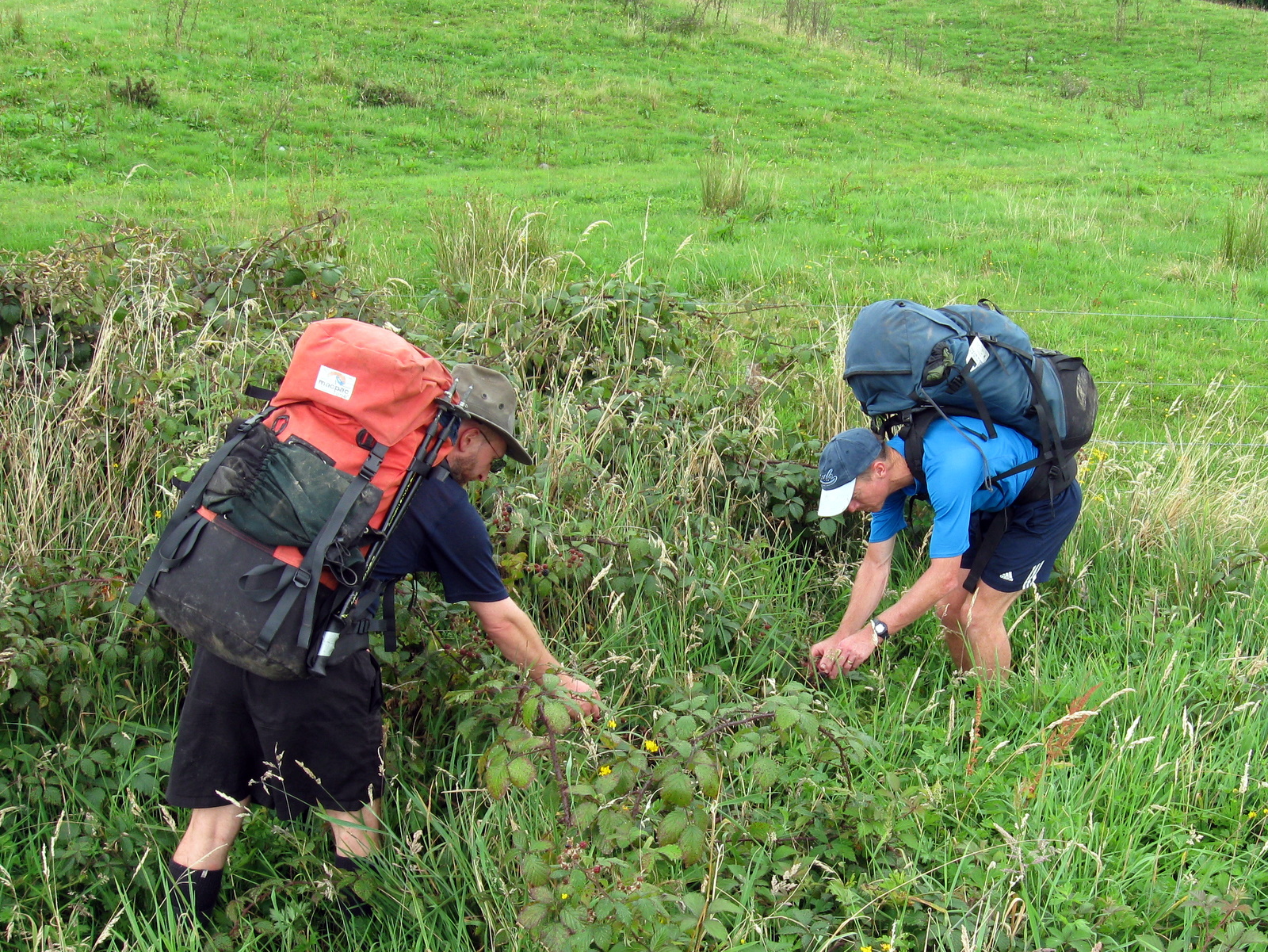
Berry picking on the Roadside
Day 5
Wednesday 24th February – Cedar Flat hut to Road End
Legging it out the following morning after a third night at Cedar Flat, I think we all felt a little beaten. We hadn’t achieved even half of what we set out to do. Not that we hadn’t enjoyed the trip. Far from it. Our time in the hills had been a lot of fun. It always is. Being out in the bush with fellow Moa Hunters is quality time we all cherish and look forward to. But the West Coast had taught us a bit of a lesson.